September 22, 2026
Why Update Brand Messaging: Essential Guide for Growth


Learn what a brand strategist is and how they help small business owners build compelling brands that attract and retain customers.
TL;DR:
- A brand strategist creates a company’s identity, positioning it to stand out through market research and messaging.
- Their work establishes long-term direction, guiding marketing efforts and ensuring consistent growth.
A brand strategist is a marketing professional who architects a company’s identity and positions it to stand out in a crowded market. The role centers on market research, positioning, and messaging that shift businesses from reactive marketing to intentional, consistent growth. For small business owners and founders, understanding this role is the first step toward building a brand that actually converts. A brand strategist does not just make things look good. They define why your brand exists, who it serves, and what it says at every touchpoint.
A brand strategist is the architect behind your brand’s direction. Their core job is to answer three questions before any marketing begins: What does this brand stand for? Who is it for? And why should anyone choose it over everything else? Brand strategy defines what a brand stands for, its audience, and how it appears, serving as the guiding framework for all marketing and creative work.
The day-to-day work of a brand strategist spans research, writing, facilitation, and collaboration. Here is what that looks like in practice:
That last point matters more than most people realize. Brand strategy is not a one-time document. It evolves as your market shifts and your audience changes.
Pro Tip: Before hiring a designer or launching social media ads, ask a brand strategist to define your positioning first. Creative work built on a weak foundation wastes money.

The output of a brand strategist’s work is a set of foundational documents: a brand strategy guide, a messaging framework, audience personas, and a positioning statement. These documents become the reference point for every marketing decision your business makes.

This is one of the most common points of confusion for small business owners. The three roles work together, but they operate at very different levels.
| Role | Primary focus | Key output |
|---|---|---|
| Brand strategist | Long-term direction and positioning | Strategy documents, messaging frameworks |
| Brand manager | Day-to-day execution and brand maintenance | Campaign oversight, brand consistency |
| Brand designer | Visual and sensory brand expression | Logos, color systems, visual identity |
Brand managers focus on execution and maintenance, while brand designers focus on creating the visual and sensory expressions of the brand. The strategist’s work happens upstream. They define the rationale and long-term positioning that everyone else builds from.
Think of it this way. The brand strategist decides that your brand should feel approachable, expert, and community-driven. The brand designer then translates that into a color palette, typography, and logo. The brand manager makes sure every Instagram post, email, and sales page reflects those choices consistently.
Brand strategists blend data analysis, creative concepting, business logic, and behavioral understanding to develop foundational brand documents through workshops and collaboration. That combination of skills is what separates the role from both management and design. A brand manager rarely conducts original audience research. A designer rarely writes a competitive positioning statement. The strategist does both, and then hands the results to the rest of the team.
For small business owners, this distinction is practical. If your brand feels inconsistent or your marketing is not connecting, the problem is usually upstream. It is a strategy problem, not a design or execution problem.
The best brand strategists combine left-brain analysis with right-brain creativity. Neither alone is enough. Here are the core skills that define the role:
Analytical thinking. Brand strategists read market research, interpret customer data, and identify patterns in audience behavior. They use tools like customer surveys, sales data, and digital analytics to ground their recommendations in evidence rather than opinion.
Creative concepting. They distill complex business ideas into clear, memorable messages. This requires the ability to think in metaphors, narratives, and emotional hooks that resonate with real people.
Business acumen. Effective brand strategy requires alignment with leadership vision and business goals to define mission, values, and brand personality. A strategist who cannot connect brand decisions to revenue outcomes is not doing the full job.
Communication and facilitation. Brand strategists run workshops, present strategy to executives, and write documents that non-marketers can understand and use. Clear communication is not optional. It is the job.
Audience psychology. Understanding why people buy, what they fear, and what they aspire to is central to developing clear messaging and a consistent brand voice that builds trust.
Pro Tip: When evaluating a brand strategist, ask them to walk you through a positioning statement they have written. How they explain their reasoning tells you more than their portfolio alone.
Strong communication and interpersonal skills matter as much as technical marketing knowledge. A brand strategist who cannot explain their thinking to a founder or a creative team cannot do their job effectively. The best strategists are translators. They move between data, business goals, and creative execution without losing the thread.
For small business owners considering how to become a brand strategist or whether to hire one, these skills point to what you should look for. You want someone who asks hard questions, listens carefully, and produces documents your whole team can actually use.
Small business owners often skip brand strategy because it feels abstract. The results of skipping it are not abstract at all. Inconsistent messaging, unclear positioning, and marketing that does not convert are all downstream symptoms of the same upstream problem: no strategy.
Brand strategists’ work precedes tactical marketing efforts such as content creation, advertising campaigns, and social media management to ensure cohesion. That sequence matters. Running ads or posting content without a clear brand strategy is like building a house without a blueprint. You might get something standing, but it will not hold up.
Here is what a brand strategist actually delivers for a small business:
The importance of brand strategists shows up most clearly when a small business starts to grow. Without a strategy, growth creates chaos. New team members do not know how to represent the brand. New channels produce inconsistent content. New offers confuse existing customers. A brand strategy prevents all of that by giving everyone a shared reference point.
For founders and coaches who are building their brand for the first time, brand identity development starts with the same foundational questions a brand strategist asks. What do you stand for? Who do you serve? What makes you the right choice? Answering those questions with rigor and intention is the difference between a brand that grows and one that stalls.
I have worked with founders, coaches, and consultants for years, and the pattern is always the same. The ones who struggle most with marketing are not struggling because of bad content or the wrong platform. They are struggling because they skipped the strategy.
The most common mistake I see is treating brand strategy as a luxury. Founders assume it is something big companies do after they have money and momentum. The truth is the opposite. Brand strategy is what creates momentum in the first place. When you know exactly who you are talking to, what you stand for, and why someone should choose you, every piece of content gets easier to write. Every offer gets easier to position. Every conversation with a potential client gets easier to have.
The second mistake is confusing brand strategy with branding. A new logo is not a strategy. A color palette is not a strategy. Those are outputs of a strategy. If you invest in design before you have clarity on positioning and messaging, you will likely redo it within two years.
My practical advice for small business owners is this: before you spend another dollar on ads, content, or design, spend time on your brand foundation. Work through your positioning. Write down your brand voice. Define your ideal client with specificity. You can do this with a brand strategist, through a workshop, or with a structured framework. The format matters less than the commitment to doing it.
The founders I have seen grow fastest are the ones who treat brand strategy as a living document, not a one-time project. They revisit it when they launch new offers, enter new markets, or notice their messaging is not landing. That ongoing attention to strategy is what separates brands that last from brands that fade.
— Kaitlyn Cole
Building a brand strategy is one thing. Executing it consistently across every channel is another challenge entirely.
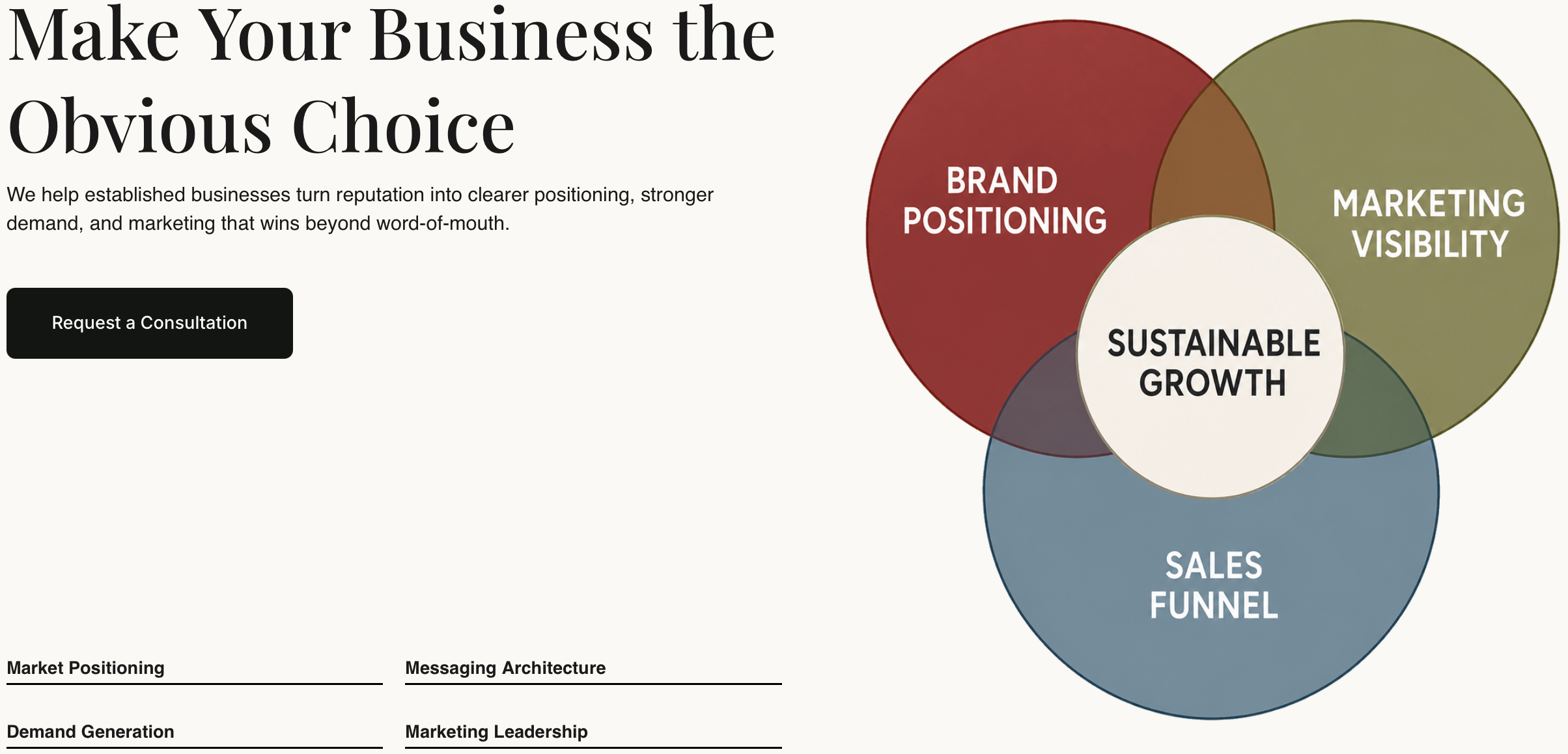
Reasonate Studio works with founders, coaches, and consultants who have the expertise but need a partner to turn brand clarity into consistent, revenue-generating marketing. Through the Aligned Impact Model™, Reasonate Studio builds the strategy and then executes it through social media management, content creation, and sales page optimization that reflects your brand at every touchpoint. With an 85% client retention rate and results like a 454% sales increase for a health coach, the work speaks for itself. If your brand needs a stronger foundation and a team to bring it to life, Reasonate Studio is built for exactly that.
A brand strategist is a professional who defines what a brand stands for, who it serves, and how it communicates across all channels. Their work creates the foundation that guides all marketing and creative decisions.
A brand strategist focuses on long-term positioning and the “why” behind brand decisions, while a brand manager handles day-to-day execution and brand consistency. The strategist works upstream; the manager works in the field.
The most critical skills are analytical thinking, creative concepting, business acumen, and strong communication. Brand strategists also need a deep understanding of audience psychology and buying behavior.
Small businesses benefit from brand strategy more than most owners realize. Without clear positioning and messaging, marketing efforts produce inconsistent results. A brand strategist creates the clarity that makes every other marketing investment more effective.
Brand strategy precedes and informs all tactical marketing efforts, including content creation, advertising, and social media. The strategy defines the direction; execution delivers it consistently across every channel.