September 22, 2026
Why Update Brand Messaging: Essential Guide for Growth


Discover how we branding helps entrepreneurs create connections, define brand identity, and foster loyalty for lasting success.
TL;DR:
- We branding involves collaborative effort to create authentic connections through clear strategy and consistent identity. It emphasizes defining target audience, positioning, messaging, and experience before developing visual elements. Building brand credibility relies on transparency and proof, while operational systems ensure consistent execution across channels.
We branding is the collaborative process of defining and expressing a brand’s strategy and identity to create authentic audience connections and real market distinction. It is not a solo act. The most effective brands are built when founders, teams, and even customers contribute to shaping what a business stands for. For entrepreneurs and small business owners, this approach is the difference between a brand that blends in and one that earns loyalty. Frameworks like Reasonate Studio’s Aligned Impact Model™ and tools from Shopify and Parabolic Studio confirm the same truth: strategy must come before visuals, and consistency must be built into daily operations, not treated as an afterthought.
Brand strategy is the deliberate plan that defines what your brand stands for, who it serves, and how it communicates. It covers positioning, audience, messaging, voice, and the overall experience a customer has with your business. Brand strategy focuses on positioning and differentiation, not merely on visual identity like logos. Skipping this step produces brands that look polished but say nothing distinctive.
The most common mistake entrepreneurs make is treating branding as a design problem. They hire a logo designer before they can clearly answer: “Why should my ideal customer choose me over everyone else?” That question is a strategy question, not a visual one. Brand strategy defines meaning and differentiation before any identity decisions are made. Misalignment happens when logos and color palettes are chosen without a strategically informed foundation underneath them.
A strong brand strategy answers five core questions:
Think of brand strategy as the blueprint for a house. You would not start laying tile before the foundation is poured. The same logic applies here. A well-defined brand strategy gives every marketing decision a clear direction so nothing feels random or disconnected.
Pro Tip: Write your brand positioning statement before you touch any design tool. Keep it to two sentences: who you serve, what you offer, and why it matters to them specifically.
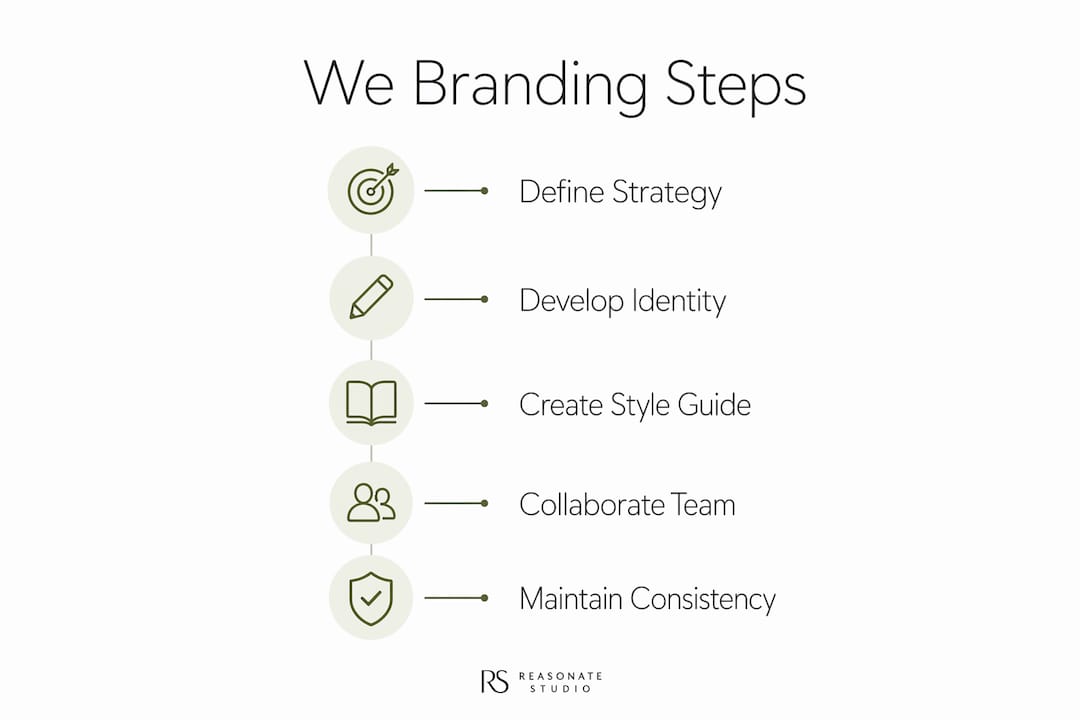
Brand identity is the visible and verbal expression of your strategy. It includes your logo, color palette, typography, imagery style, tone of voice, and the language patterns your brand uses consistently. Identity is not where branding starts. It is where strategy becomes tangible. Identity elements are only convincing when tied to a clear, deliberate positioning.
Here is the practical sequence every entrepreneur should follow:
The brand style guide is one of the most underused tools in small business branding. Most founders create one and never update it. A living style guide grows with the brand. It should include do and don’t examples with real file assets so that anyone, including a new contractor or a social media manager, can execute the brand independently. Good guidelines explain the logic behind brand choices, which prevents fragmented execution across channels.
Brand kits should also map how the brand behaves channel by channel. Your Instagram presence, your email newsletter, and your website homepage each have different format requirements. A scalable brand kit anticipates new asset types and makes brand application flexible enough to grow with the business.

Pro Tip: Store your brand kit in a shared folder like Google Drive or Notion so every team member and contractor can access the latest approved assets without asking you.
Brand credibility is the degree to which your audience trusts that your brand will deliver on its promises. It is built through consistent behavior, transparent communication, and real evidence of results. Brand credibility is a decisive factor in customer brand choice, built through trustworthiness, transparency, and consistent delivery of the brand promise.
Credibility does not come from a great logo or a well-written About page. It comes from proof. The most effective tactics for building it include:
“Building brand credibility through authentic evidence and consistent delivery creates long-term brand affinity and customer loyalty.” — Shopify
Brand credibility compounds over time. A business that has collected 50 genuine client reviews, a library of UGC posts, and a track record of delivering results has a credibility asset that no competitor can copy overnight. This is why building brand trust is not a campaign. It is an ongoing practice baked into how you operate every day.
Brand consistency is an operational practice, not a creative one. Most entrepreneurs treat consistency as a design rule: use the right logo, use the right colors. That is necessary but not sufficient. Brand consistency depends on operational creative systems beyond static guidelines, including assets and templates for team execution. Failure happens when branding efforts stop at the logo without building the systems that keep it consistent.
The table below shows the difference between a static brand approach and a system-driven one:
| Approach | What it includes | Where it breaks down |
|---|---|---|
| Static brand guidelines | Logo, colors, fonts, one-page PDF | New team members ignore or misuse it |
| System-driven brand | Templates, asset libraries, usage rules, channel-specific guides | Requires upfront setup but scales reliably |
| Centralized brand hub | Shared folder or platform with all approved assets and version control | Most effective for teams of 2 or more |
Centralized brand governance gives your team a single source of truth for every asset. Centralized brand platforms provide asset management and usage data that drives consistency even across distributed teams. For small businesses, this does not require expensive software. A well-organized Google Drive folder with clearly labeled subfolders for logos, fonts, templates, and approved images achieves the same outcome.
Brand consistency can unlock up to 33% revenue growth by establishing trust and recognition through systematic brand application. That number reflects what happens when customers see a brand that looks and sounds the same everywhere they encounter it. Recognition builds trust. Trust builds purchase decisions.
Team branding tips that actually work in practice:
Pro Tip: Use a tool like Notion or Canva’s Brand Kit feature to store your brand assets in one place. Both are free at the entry level and reduce the back-and-forth of “which logo file should I use?”
For entrepreneurs building a brand with a small team, the goal is to make consistent execution the path of least resistance. When your templates are ready, your guidelines are clear, and your assets are organized, your team does not have to think about whether something is on-brand. They just execute. That is when brand development strategies start to compound into real market recognition.
The pattern I see most often is this: a founder spends weeks choosing brand colors and a logo, then launches with no clear message and no idea who they are actually trying to reach. The brand looks fine. But it says nothing. A common branding mistake is starting with visuals before a clearly defined audience and brand positioning, which leads to generic brand impressions. I have seen this happen with businesses at every stage, from brand-new coaches to established consultants who have been operating for years.
The founders who build brands that last do something different. They treat branding as a system, not a one-time project. They revisit their positioning when the market shifts. They update their messaging when their audience evolves. They bring their team into the brand conversation instead of keeping it locked inside their own head. That is what collaborative branding actually means in practice. It is not just about having a consistent logo. It is about building shared understanding of what the brand stands for and why it matters.
The other thing I have learned is that credibility cannot be manufactured. You cannot write your way to trust with clever copy alone. Trust is built through repeated, consistent delivery over time. The brands that earn the deepest loyalty are the ones that show up the same way every single time, whether that is in a social post, a client email, or a sales conversation. That consistency is what turns a business into a brand.
My honest advice: start with strategy, build your identity to reflect it, document everything in a system your team can use, and then treat your brand as a living thing that needs regular attention. Branding is not a launch. It is a practice.
— Kaitlyn Cole
A clear brand strategy means nothing if your sales pages do not reflect it. The place where most small businesses lose the sale is not in their social content or their email list. It is on the page where a potential client is deciding whether to buy.
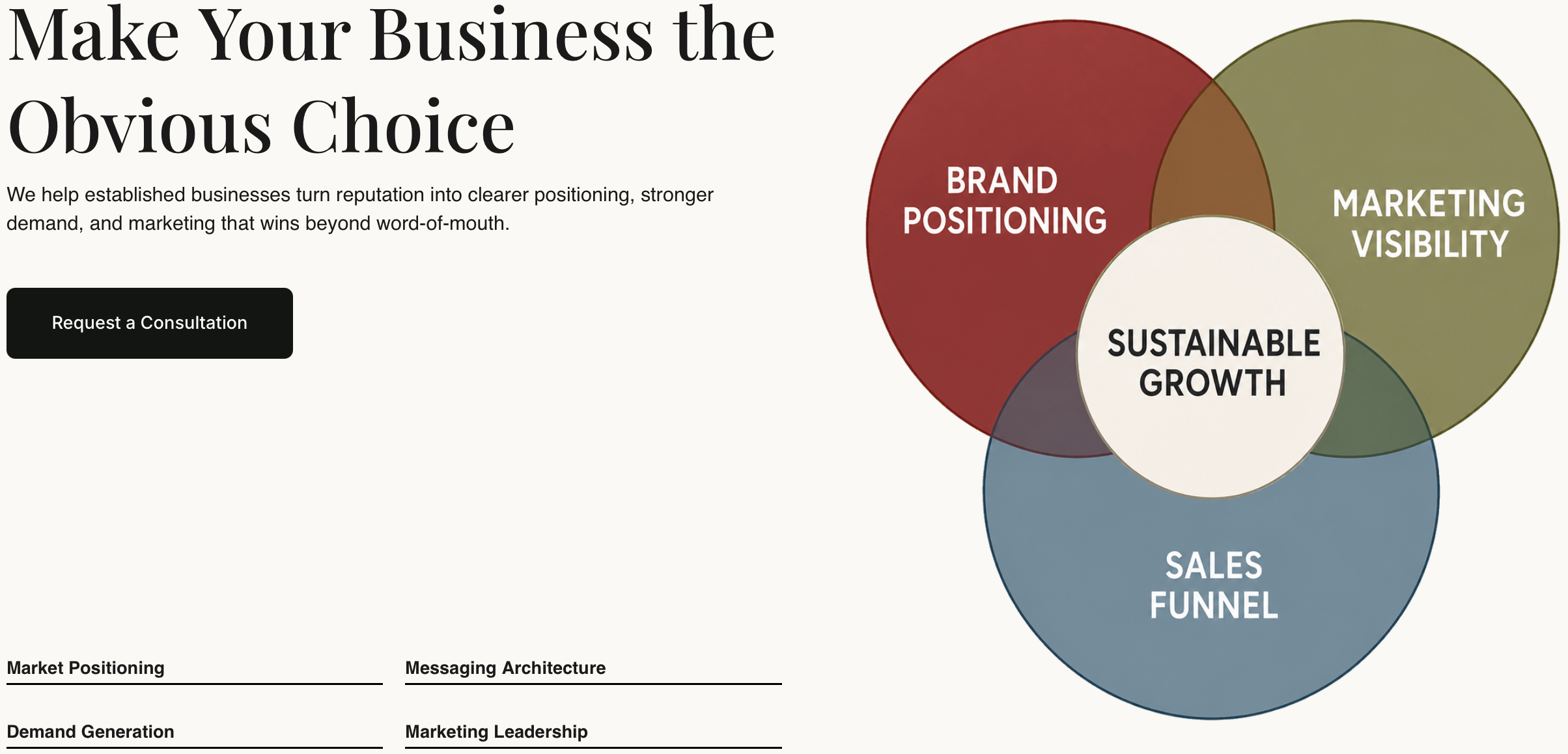
Reasonate Studio’s sales page optimization service is built specifically for founders, coaches, and consultants who have a strong brand but are not converting at the rate they should. The service aligns your sales page copy, structure, and messaging with your brand strategy so that every word on the page earns its place. If your brand promises clarity and connection, your sales page needs to deliver that experience before a single dollar changes hands. Reasonate Studio makes sure it does.
We branding is the collaborative approach to building a brand’s strategy and identity by involving the founder, team, and sometimes customers in defining what the brand stands for. It produces more authentic, consistent, and market-relevant brands than solo, top-down branding decisions.
Brand strategy always comes first. Strategy defines positioning, audience, and messaging. Identity, which includes logo, colors, and typography, is the visual expression of that strategy. Building identity without strategy produces a brand that looks polished but communicates nothing distinctive.
Brand credibility is built through consistent delivery, transparent communication, and real evidence like video testimonials and user-generated content. Brands that consistently deliver on their promises build long-term customer loyalty and advocacy over time.
A brand style guide documents your logo usage, color palette, typography, voice, and tone with do and don’t examples. It gives every team member and contractor the rules they need to execute the brand consistently without asking for direction every time.
Brand consistency can unlock up to 33% revenue growth by building trust and recognition through systematic brand application across every customer touchpoint.