September 22, 2026
Why Update Brand Messaging: Essential Guide for Growth


Discover what is brand refresh vs rebrand. Learn how to make informed choices for your small business and avoid costly mistakes.
TL;DR:
- A brand refresh updates visual elements without changing the core strategy, while a rebrand resets both identity and positioning. Small businesses should pursue a refresh if their strategy remains unchanged and only visuals feel outdated, but choose a rebrand when their target audience or mission has shifted. Properly diagnosing the need helps avoid costly mistakes and ensures the brand evolves effectively.
A brand refresh is defined as a modernization of visual and messaging elements without changing the core brand strategy, while a rebrand is a fundamental transformation of brand identity, positioning, and often mission. Knowing the difference between a brand refresh vs rebrand is the single most important decision in brand management, and getting it wrong wastes money, confuses customers, and stalls growth. Many small business owners treat a rebrand as just a logo swap, or assume a refresh will fix a broken strategy. Neither is true. Apple’s 1998 return to a simplified logo was a refresh. Dunkin’ dropping “Donuts” from its name in 2019 was a rebrand. The distinction is not cosmetic. It is strategic.
A brand refresh vs rebrand is best understood through one analogy: a refresh is repainting and updating the furniture in a house, while a rebrand is gutting the structure and rebuilding it from the foundation up. Both change how the brand looks and feels, but only one changes what the brand fundamentally is.

The industry term for the broader practice is brand identity management. Within that, a brand refresh and a full rebrand sit at opposite ends of the change spectrum. A refresh keeps your mission, values, and audience intact. A rebrand resets your positioning, your narrative, and sometimes your name.
The most common misconception is that a rebrand means a new logo. It does not. A rebrand involves a fundamental strategic reset that includes repositioning, revised mission and vision statements, and a new brand narrative. The logo is the last thing that changes, not the first.
For small business owners, choosing the wrong path creates real damage. A refresh applied to a brand with a broken strategy produces a prettier version of the same problem. A rebrand applied to a brand that just needs a visual update burns budget and risks alienating loyal customers.
A brand refresh updates 3–5 key visual elements without changing core strategy. Those elements typically include the logo, color palette, typography, photography style, and messaging tone. The goal is to keep what customers already recognize and love while removing anything that feels dated or misaligned with current market expectations.

A refresh keeps the brand’s core mission, values, and target audience completely intact. Think of how Coca-Cola periodically updates its typeface and packaging design without ever touching its red and white identity or its core positioning around happiness and refreshment. The brand stays recognizable. It just looks sharper.
Common elements updated in a brand refresh include:
Timing matters. Brands typically opt for a refresh when their visuals start to feel dated compared to competitors, when a market trend shift makes their current look feel out of step, or when minor messaging drift has caused inconsistency across platforms. A refresh sharpens brand edges and modernizes the presentation while retaining customer recognition and loyalty.
Pro Tip: Before starting a refresh, audit every customer touchpoint: website, social profiles, email templates, packaging, and business cards. A refresh only works if every asset gets updated consistently. Partial updates create visual confusion.
Refreshes move faster than rebrands. Where a rebrand can take 6–12 months, a refresh typically completes in weeks. That speed is an advantage, but only when the underlying strategy is sound.
A rebrand involves a shift in brand strategy that goes far beyond visuals. It resets the brand’s positioning, mission, vision, and often its target market. The visual changes in a rebrand are comprehensive: new logo, new name in some cases, new brand voice, and a full overhaul of every brand asset.
Rebrands are not triggered by boredom with the current look. They are triggered by real business evolution. The most common scenarios that call for a rebrand include:
A rebrand following a major business model change requires new positioning and a new brand narrative to match. The visual identity is the output of that strategic work, not the starting point.
Here is what the rebrand process looks like in order:
That last point is where small businesses often underestimate the scope. Updating 200+ assets is not a weekend project. It requires a clear plan, a timeline, and someone accountable for every deliverable.
Pro Tip: Rebrands are 80% strategic homework and only 20% design execution. If a branding partner leads with design before finishing the strategy, that is a red flag. Push for positioning and messaging clarity before any visual work begins.
The resource commitment for a rebrand is significantly higher than a refresh. Budget, time, and internal bandwidth all need to be planned carefully. For small businesses, that investment pays off when the rebrand solves a real strategic problem. It does not pay off when the real problem was just a dated logo.
The central diagnostic question is simple: has your business strategy, mission, or target audience changed? If the answer is no, a refresh is almost certainly the right move. If the answer is yes, a rebrand deserves serious consideration.
Use this numbered checklist to diagnose your situation:
The key diagnostic question is whether the business strategy has changed. Visuals alone do not justify a rebrand.
The table below summarizes the core differences to guide your decision:
| Factor | Brand refresh | Full rebrand |
|---|---|---|
| Core strategy | Unchanged | Fundamentally revised |
| Mission and values | Intact | Revised or replaced |
| Target audience | Same | New or significantly shifted |
| Visual changes | Partial updates | Complete overhaul |
| Timeline | Weeks | 6–12 months |
| Budget | Lower | Higher |
| Risk to brand equity | Low | Moderate to high |
| Trigger | Visual aging, minor drift | Pivot, merger, new market |
The most dangerous outcome is the half-rebrand. Changing only the logo without addressing the underlying strategy leads to customer skepticism and wasted investment. Customers see a new look but experience the same brand. That gap destroys trust faster than the old logo ever did.
Pro Tip: Run a quick brand audit before making this decision. Ask five current customers what three words they associate with your brand. If those words still match your intended positioning, you likely need a refresh. If they do not, a rebrand conversation is worth having.
Many clients choose a refresh to save time and money when the underlying issue is actually strategic. That misdiagnosis does not save money. It delays the real work and compounds the problem.
Execution is where most small businesses lose momentum. The plan is clear, but the rollout gets messy. Here is how to approach each path with discipline.
A refresh is contained but still requires a plan. Start with a visual and messaging audit across every customer touchpoint. Document what exists, what needs updating, and what can stay. Then brief your designer with clear direction: modernize, do not replace.
Key steps for a successful refresh:
A rebrand requires strategic groundwork before any design work begins. The sequence matters. Strategy first, visuals second, rollout third.
The table below outlines the timeline and resource differences between the two approaches:
| Element | Brand refresh | Full rebrand |
|---|---|---|
| Strategy work | Minimal | Extensive |
| Design scope | Partial updates | Full identity system |
| Asset updates | 10–20 touchpoints | 200+ touchpoints |
| Internal communication | Brief announcement | Structured change management |
| External announcement | Simple update | Planned campaign |
| Typical timeline | 2–8 weeks | 6–12 months |
Rebranding maintains emotional continuity with existing customers while pivoting the narrative toward new goals. That balance is the hardest part of a rebrand to get right. Move too fast and customers feel abandoned. Move too slowly and the new direction never lands.
Pro Tip: For a rebrand rollout, update your Google Business Profile, LinkedIn company page, and website on the same day. Inconsistency across these high-visibility platforms creates confusion and undermines the credibility of the new brand.
For more detailed guidance on executing a rebrand, the complete rebranding guide for small businesses at Reasonatestudio covers the full process step by step.
The most expensive mistake I see small business owners make is choosing a refresh when they actually need a rebrand. They know something feels off. Leads are not converting. The brand does not feel like them anymore. But a refresh feels safer and cheaper, so they update the logo and call it done. Six months later, nothing has changed except the color palette.
The second most expensive mistake is the opposite: launching a full rebrand when the real problem is execution, not identity. The brand strategy is solid. The positioning is clear. But the content is inconsistent, the website is confusing, and the messaging is scattered. A rebrand does not fix a marketing execution problem. It just gives you a prettier version of the same chaos.
What I have found actually works is starting with an honest audit of whether the business strategy has changed. Not the visuals. Not the vibe. The strategy. If the mission, audience, and positioning are still accurate, stop there. A refresh is your answer. If any of those three have shifted, a rebrand deserves a real conversation.
I also want to push back on the idea that rebrands are only for big companies with big budgets. Small businesses rebrand successfully all the time. The key is doing the strategic work first and not treating it as a design project. A rebrand built on a clear new positioning is worth every dollar. A rebrand built on “we just wanted something fresher” is not.
The brands I have seen grow fastest after a brand update are the ones that treated the process as a strategic investment, not a cosmetic one. They asked hard questions, made clear decisions, and committed to the rollout. That discipline is available to any small business owner willing to do the work.
For founders considering either path, the rebranding tips for founders, coaches, and consultants at Reasonatestudio offer practical guidance grounded in real client experience.
— Kaitlyn
Knowing whether you need a refresh or a rebrand is only half the work. Executing it in a way that converts visitors into clients is the other half.
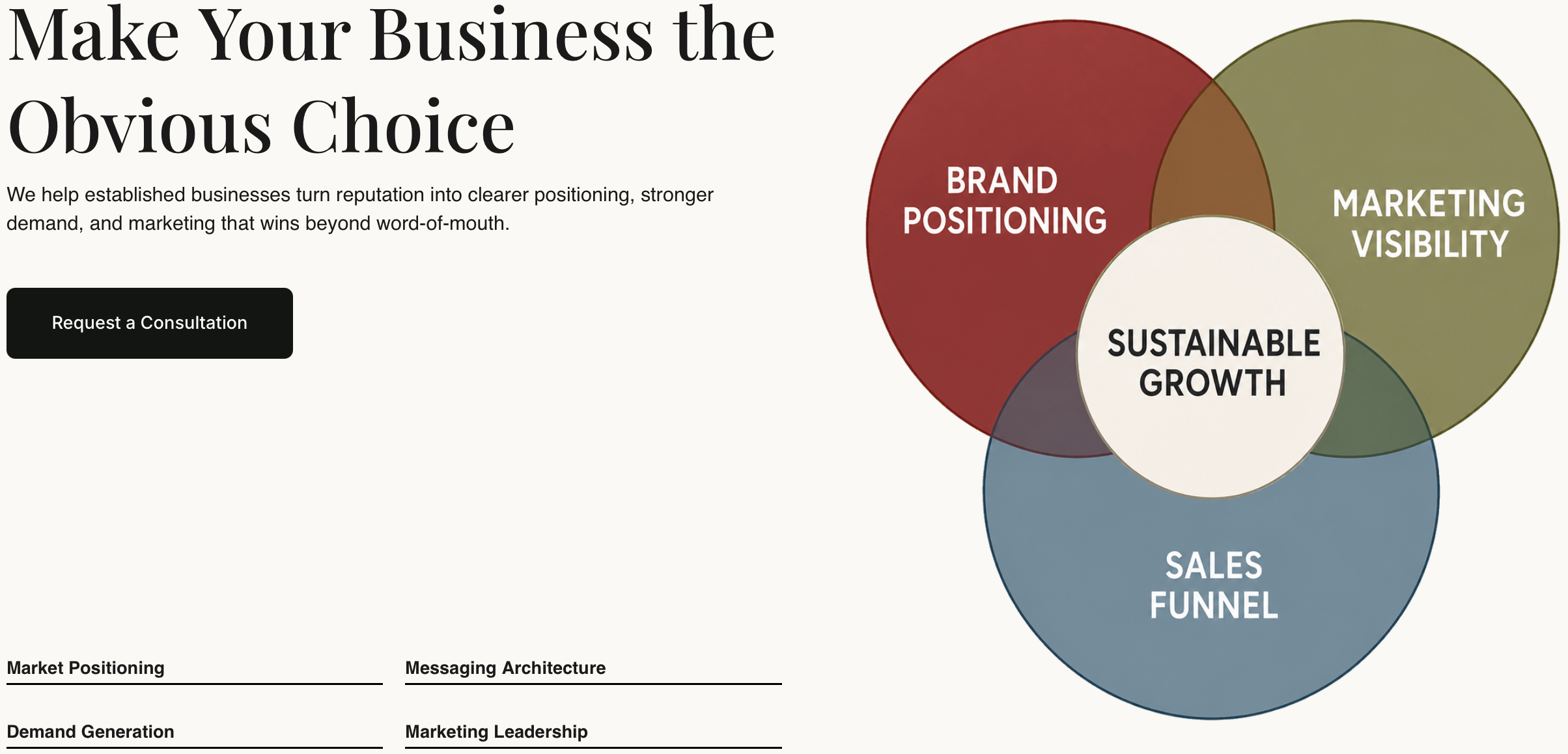
Reasonatestudio works directly with founders, coaches, and consultants to build brand clarity and translate it into marketing that generates revenue. One of the highest-impact services for businesses coming out of a refresh or rebrand is sales page optimization, which ensures your updated brand identity actually converts. A new look means nothing if the page that sells your offer still uses old messaging. Reasonatestudio’s strategy-first approach ensures your brand update shows up consistently across every customer touchpoint, from your social presence to your sales funnel.
A brand refresh updates visual and messaging elements without changing the core strategy, while a rebrand fundamentally resets positioning, mission, and identity. The key question is whether the business strategy has changed.
A brand refresh typically takes weeks to complete, while a full rebrand takes 6–12 months. The difference reflects the depth of strategic and design work involved in each process.
Signs you need a rebrand include a business pivot, a new target audience, a merger, or a significant reputation issue. If your core strategy, mission, or audience has changed, a refresh will not solve the problem.
Yes. A rebrand does not require a large agency budget. It requires strategic clarity first and disciplined execution second. Small businesses that complete the positioning work before starting design keep costs controlled and results focused.
A half-rebrand means changing visual elements like the logo without addressing the underlying strategy. It leads to customer skepticism because the brand looks different but feels the same, and it wastes the investment without solving the real issue.