September 1, 2026
Understanding B2C Business to Consumer Dynamics


Visual branding is more than a logo. Learn how strategic identity, adaptive design, and emotional storytelling shape small business growth in 2026.

Launching a service business in Canada or the United States can feel like an ongoing quest to stand out in crowded markets. As entrepreneurs with a few years under your belt, you know that a logo alone is not enough to capture the hearts of your ideal clients. Visual branding is a holistic language, weaving together colors, typography, and imagery to communicate your values and personality with every interaction. This guide shares actionable strategies for building a consistent and authentic visual identity that attracts trust and sets your brand apart.
Visual branding is a strategic communication system that transcends the simplistic notion of just creating a logo. At its core, visual branding represents a comprehensive approach to communicating a brand’s identity, values, and personality through intentional design elements. It’s about crafting a visual language that resonates with your target audience and creates meaningful connections.
A truly effective visual brand goes far beyond a single graphic mark. It encompasses a holistic system of design components that work together to tell a cohesive story. These components include:
Research from design experts highlights that visual branding is fundamentally about creating an emotional connection. Visual brand identity elements communicate far more than aesthetics - they communicate the essence of a brand’s character and promise.
The goal is not merely to look attractive, but to create a memorable and distinctive visual experience that differentiates your brand in a crowded marketplace. Every design choice should be intentional, from the weight of your typography to the spacing between elements.
Visual branding transforms abstract brand values into tangible, memorable design experiences that speak directly to your audience’s emotions and expectations.
Pro tip: Develop a comprehensive brand style guide that documents every visual element, ensuring consistency across all marketing and communication platforms.
A strategic visual identity is more than a collection of design elements - it’s a carefully crafted system that communicates a brand’s core essence and values. Understanding brand identity essentials requires a holistic approach that goes beyond surface-level aesthetics and delves into the psychological and emotional connections a brand creates.
The core elements of a strategic visual identity typically encompass several key components that work synergistically to create a cohesive brand experience:
These elements must be carefully aligned to create a unified and recognizable brand language. Each component plays a crucial role in communicating the brand’s unique narrative, values, and positioning in the marketplace.

Here’s a summary of how key visual brand elements influence business goals:
| Visual Element | Primary Function | Outlined Business Impact |
|---|---|---|
| Logo | Central brand identifier | Enhances recognition and recall |
| Color Palette | Mood and emotional trigger | Shapes perception and engagement |
| Typography | Conveys personality | Boosts readability, trust |
| Imagery/Style | Storytelling vehicle | Deepens audience connection |
| Graphic Elements | Adds uniqueness | Sets brand apart competitively |
| Layout/Composition | Guides focus and flow | Improves message clarity |
A truly strategic visual identity transforms abstract brand attributes into tangible, memorable design experiences that resonate with your target audience.
The goal is to create a visual system that is both flexible and consistent, allowing for creative expression while maintaining a strong, identifiable brand presence. This requires thoughtful design decisions that balance creativity with strategic intent.
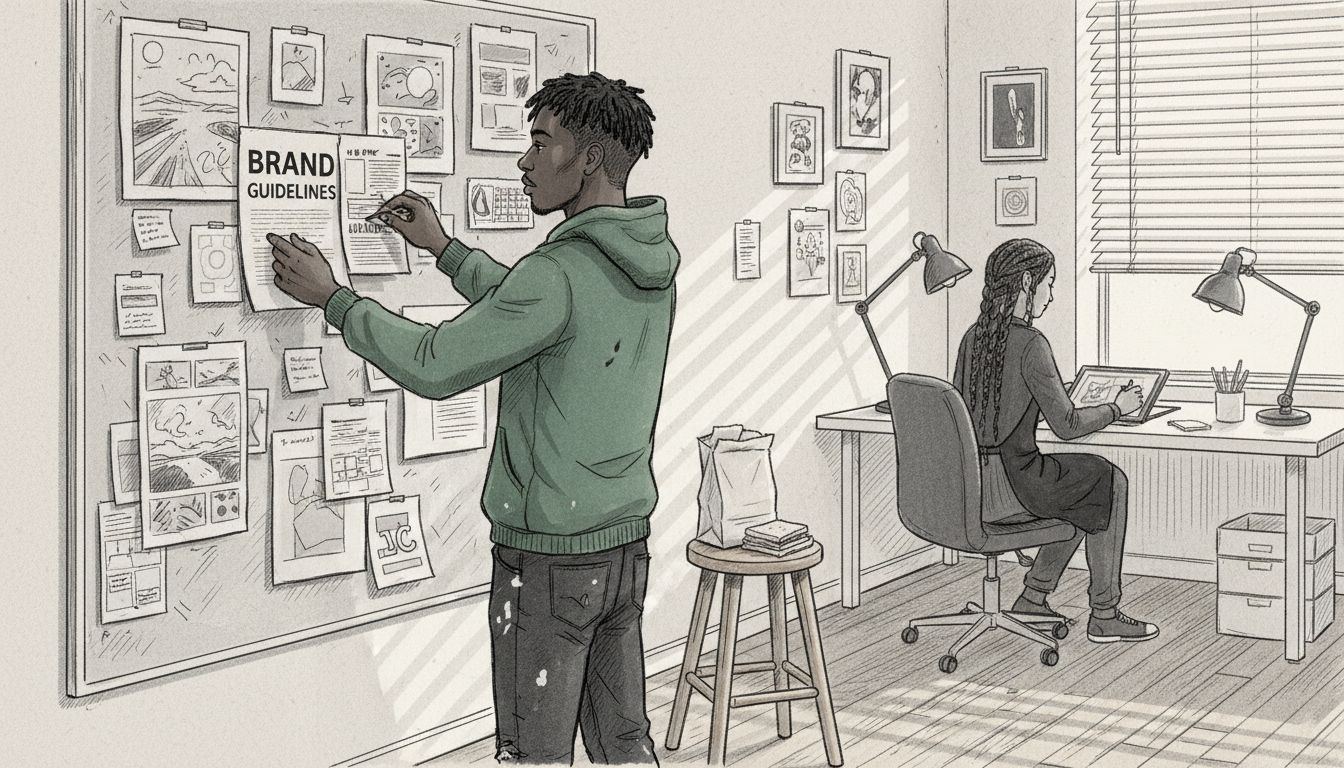
Pro tip: Develop a comprehensive brand style guide that provides clear, detailed instructions on how to use and apply your visual identity across all brand touchpoints.
The landscape of visual branding is undergoing a transformative shift toward adaptive and human-centered design approaches that prioritize user experience and emotional connection. Branding trends in 2025 reveal a growing emphasis on creating flexible visual identities that can dynamically respond to diverse user contexts and preferences.
Key characteristics of this emerging design philosophy include:
The integration of artificial intelligence is revolutionizing how brands approach visual design. Advanced algorithms now enable brands to create dynamic visual systems that can instantly adapt to user interactions, demographic shifts, and emerging cultural contexts.
Human-centered design transforms visual branding from a static communication tool into an interactive, empathetic experience that evolves with its audience.
This approach goes beyond traditional static branding by creating living, breathing visual identities that can communicate more authentically and responsively. Brands are no longer just presenting themselves - they’re engaging in a dynamic conversation with their audience.
Here’s a comparison of traditional branding and adaptive, human-centered branding approaches:
| Approach | Focus Areas | Audience Benefit |
|---|---|---|
| Traditional Branding | Static visuals, one message | Predictable brand experience |
| Adaptive/Human-Centered | Personalization, flexibility | Tailored, relatable content |
| AI-Driven Branding | Dynamic adaptation, data use | Real-time engagement |
Pro tip: Invest in flexible design systems that can adapt to multiple contexts while maintaining a consistent core visual language.
Visual storytelling transforms brand communication from a one-dimensional message into a powerful emotional journey. Why brand storytelling powers stronger growth reveals that authentic narratives create deeper connections that transcend traditional marketing approaches, allowing brands to forge genuine relationships with their audiences.
The core elements of compelling visual storytelling include:
Successful visual storytelling goes beyond aesthetic appeal. It’s about creating a multi-dimensional narrative that invites audiences to see themselves within the brand’s journey, transforming passive viewers into engaged participants.
Visual storytelling is the bridge that transforms brand communication from a monologue into a meaningful, shared conversation.
The most powerful visual stories are those that reveal vulnerability, showcase human experiences, and demonstrate the brand’s commitment to values larger than mere commercial transactions. They invite audiences to connect not just with a product or service, but with a broader vision and shared emotional landscape.
Pro tip: Create a visual narrative framework that maps your brand’s core values to specific emotional touchpoints and storytelling moments.
Brand consistency serves as the foundational architecture for building lasting customer trust and loyalty. Brand consistency explained through strategic insights reveals that predictable, reliable brand experiences are the cornerstone of developing deep, meaningful customer relationships.
The critical components of building trust through consistency include:
Customers develop trust through repeated positive interactions that reinforce their initial perceptions. When brands demonstrate reliability across multiple touchpoints, they transform casual interactions into committed relationships.
Trust is not built in a single moment, but through a consistent pattern of meaningful, reliable brand experiences.
Successful brands understand that trust is a delicate ecosystem requiring continuous investment. Each interaction represents an opportunity to either strengthen or erode the foundational trust that drives customer loyalty and long-term engagement.
Pro tip: Conduct regular brand audits to ensure every customer touchpoint communicates a unified, trustworthy brand narrative.
Visual branding mistakes can significantly undermine a brand’s credibility and audience connection. Brand consistency tips entrepreneurs should understand highlight that many costly errors stem from inconsistent or poorly considered design approaches.
The most prevalent visual branding mistakes include:
Entrepreneurs often fall into the trap of prioritizing trendy design over meaningful communication. Visual branding should tell a story, not just look attractive. The most effective designs emerge from a deep understanding of brand values and audience psychology.
Successful visual branding is about creating a unique language that speaks directly to your audience’s hearts and minds.
Most branding mistakes result from a lack of strategic thinking. Brands that approach visual design as a thoughtful, intentional process are more likely to create lasting connections with their audiences.
Pro tip: Conduct regular brand audits and gather audience feedback to ensure your visual identity remains authentic and resonant.
Creating a consistent visual identity is more than just looking good. It is about crafting a memorable, authentic design system that builds trust and deep emotional connections with your audience, just like the article describes. If you are an entrepreneur or small business owner struggling with scattered branding efforts or unsure how to turn your brand values into a visual story that resonates, Reasonate Studio helps you tackle these challenges methodically.
Experience the power of The Aligned Impact Model™ by Reasonate Studio, a proven framework that uncovers your brand’s core, aligns it with audience psychology, and delivers clear, measurable results. Whether you want to elevate your visual storytelling or ensure consistency to foster client loyalty, our agency blends strategy with intentional design to guide your brand toward sustainable growth. Take the first step now by visiting Reasonate Studio and discover how we transform visual branding into a strategic asset that builds lasting trust and loyalty. Learn more about brand identity essentials and explore our insights on why storytelling powers stronger growth to build a brand that truly resonates.
Visual branding is a strategic communication system that encompasses a brand’s identity, values, and personality through design elements such as logo, color palette, typography, and imagery. It aims to create a unique visual language that resonates with the target audience and fosters emotional connections.
Brand consistency is crucial because it builds trust and loyalty among customers. A cohesive visual identity across all platforms helps maintain coherent messaging and creates predictable interactions, reinforcing customer perceptions and fostering long-term relationships.
To avoid common mistakes, ensure a consistent visual language across platforms, simplify design elements to enhance communication, use authentic imagery that resonates with your audience, and understand your target demographic’s preferences rather than copying competitors.
Emotional connection is central to visual branding as it transforms marketing messages into relatable narratives. By creating visuals that resonate emotionally, brands can engage their audience on a deeper level, fostering loyalty and encouraging meaningful interactions.