September 22, 2026
Why Update Brand Messaging: Essential Guide for Growth


Use this brand identity checklist to align your strategy, voice, visuals, and systems so your business feels clear, credible, and ready to scale.

Building a strong brand identity is one of the most important investments you can make as a founder, coach, or consultant. Yet most people skip the foundational steps and jump straight to logos and color palettes, which leads to confusion, expensive rebrands, and stalled growth. Consistent branding can increase revenue by 10 to 33%, which means getting this right is not just a creative exercise. It is a revenue decision. This checklist walks you through every decisive stage, from strategy and voice to visuals and ongoing consistency, so you can build a brand that actually scales.
| Point | Details |
|---|---|
| Strategy comes first | Defining your brand’s mission, audience, and position prevents costly pivots later. |
| Consistency drives growth | Brands with consistent visuals and messages see up to 33 percent higher revenue. |
| Personal brands build trust | Founder-led brands should leverage personal credibility and story for deeper client trust. |
| Adapt but stay anchored | Flex your brand across channels, but always align with core values and personality. |
| Protect legally from day one | Secure trademarks, domains, and guidelines early to avoid expensive conflicts or rebranding. |
Your brand identity is not your logo. It is the complete system of signals that tells your audience who you are, what you stand for, and why they should trust you over everyone else. For founders, coaches, and consultants, this matters even more because your personal credibility is often the product itself.
When your brand is clear and consistent, you spend less time convincing people and more time converting them. Brand consistency lifts revenue by an average of 23%, which is a number worth taking seriously. A defined brand also reduces customer acquisition costs because your audience already knows what to expect from you before they ever book a call.
Founder-led brands face a specific challenge: they often outgrow their original identity. What worked when you had 10 clients starts to feel misaligned when you are scaling to 100. That is why strategy must come before visuals. As we often say at Reasonate Studio, a beautiful logo built on a blurry strategy is just expensive decoration.
“Great marketing starts with deep brand clarity. Understanding not just who you are, but why your audience should choose you and only you.”
You can explore real brand building examples from coaches and consultants who got this right. And if you want a broader view of where personal branding is heading, the personal branding actions worth taking in 2026 are worth a read.
Now that we have set the stakes, let us break down exactly what pieces go into an effective brand identity.
The most effective brand identities are built in phases, not all at once. Trying to do everything simultaneously is how founders end up with a polished Instagram grid and zero clarity on who they actually serve. The phased methodology moves from strategy to voice to visuals to guidelines, in that order.
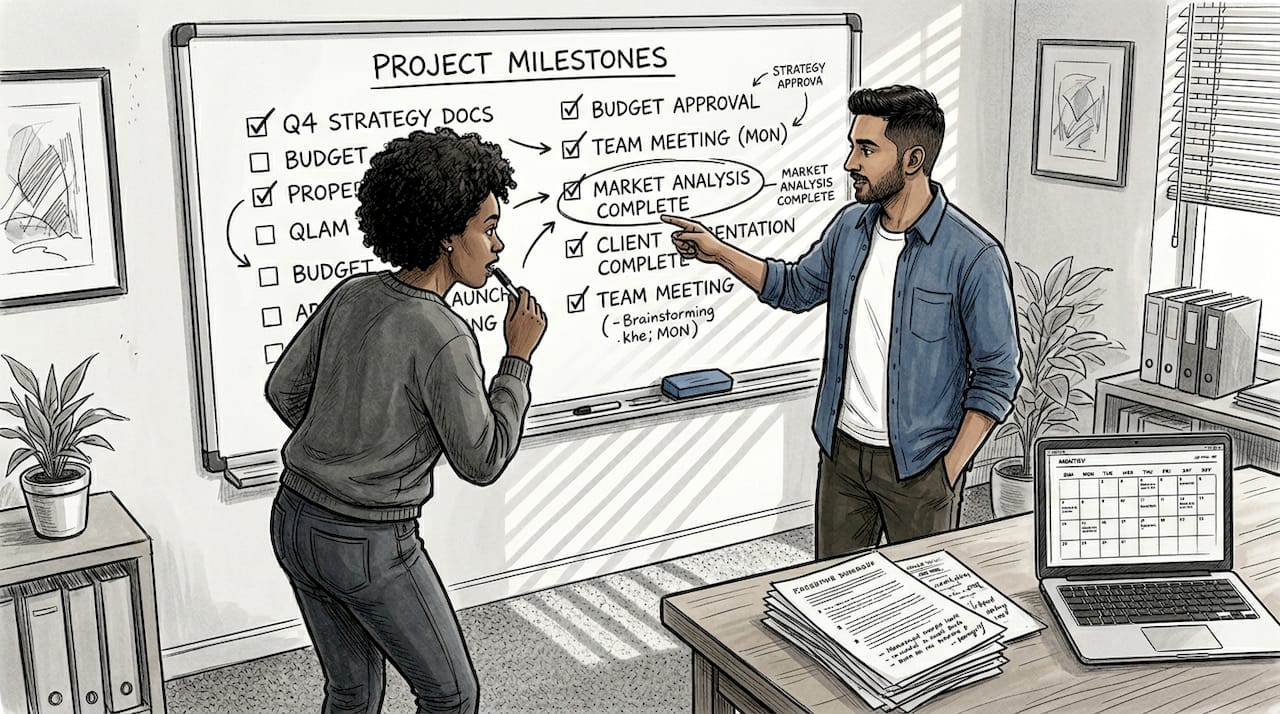
Here is a high-level overview of the four phases and what each one covers:
| Phase | Focus area | Key deliverables |
|---|---|---|
| 1. Foundation and strategy | Purpose, audience, positioning | Mission, vision, values, personas, positioning statement |
| 2. Voice and messaging | How you sound and what you say | Brand voice, messaging pillars, tagline, elevator pitch |
| 3. Visual identity | How you look | Logo, color palette, typography, imagery style |
| 4. Guidelines and rollout | How you stay consistent | Brand guidelines doc, asset library, application examples |
About 90% of your brand’s long-term impact comes from phases one and two. Visuals matter, but they only work when they are built on a solid strategic foundation. You can also review a detailed branding checklist for founders to see how these phases apply to your specific situation. For a deeper look at why this structure works, the importance of brand identity is well documented.
Pro Tip: Avoid the logo-first trap. Starting with visuals before you have defined your positioning almost always leads to a redesign within 18 months. Strategy first, always.
Armed with the why, let us dive into the practical checklist, phase by phase.
This is the bedrock of everything. If you skip this phase or rush through it, every other investment in your brand will underperform. The brand identity checklist at this stage covers five core elements:
For a structured approach to this work, learning how to develop a brand strategy is a strong starting point. You can also reference a proven brand strategy framework built for early-stage businesses.
“Your positioning statement is not for your audience. It is for you. It keeps every marketing decision anchored to what actually matters.”
Pro Tip: For coaches and consultants, your founder narrative is one of your most powerful brand assets. Build your brand story around why you do what you do, not just what you offer. People buy from people they believe in.
Once you know who you are and who you serve, it is time to define how you sound and what you say to them. Brand voice is not just tone. It is the consistent personality that shows up whether you are writing an Instagram caption, a sales email, or a proposal.
A strong brand personality and messaging framework is one of the most underrated assets a founder-led business can have. Here is what your messaging checklist should include:
For trust-based service businesses like coaching and consulting, a 70/30 balance works well. Seventy percent of your messaging should build connection and likability. Thirty percent should establish authority and credibility. Lean too far in either direction and you either sound like a friend who cannot close or an expert nobody wants to hire.
Apply this voice consistently across your website, social media, email, and in-person conversations. Inconsistency is one of the fastest ways to erode trust. You can find strong brand voice examples from coaches who have nailed this. For a deeper look at how personal branding applies to service providers, personal branding for coaches is a useful resource.
Now that your brand can talk, let us make sure it looks the part. Visual identity is where most founders start, but it is actually phase three for a reason. Visuals should express your strategy, not replace it.
Your visual identity checklist should cover:
The visual identity standard recommends keeping your palette to two to four colors and your fonts to one to two families. More than that and your brand starts to feel chaotic. Color alone impacts 85% of purchase decisions, which means your palette is doing more work than you might think.
Here is a quick reference for visual identity decisions:
| Element | Common mistake | Better approach |
|---|---|---|
| Logo | DIY or trend-chasing | Strategy-aligned, scalable design |
| Color palette | Too many colors | Two to four intentional colors |
| Typography | Mixing five fonts | One to two font families, used consistently |
| Imagery | Stock photos that feel generic | Curated style that matches brand personality |
For more guidance on getting this right, the visual branding guide breaks it down step by step.
With your brand identity built, it is time to make sure it works everywhere your audience meets you. This is where most founders drop the ball. They do the strategy work, create the visuals, and then never document any of it. Six months later, their team is using the wrong logo and their Instagram looks nothing like their website.
A brand guidelines document does not need to be a 60-page PDF. It just needs to cover the essentials. The brand guidelines standard includes:
Application examples should cover your website, social media profiles, email templates, slide decks, and any physical materials. For a complete reference on building this system, the brand identity guidelines resource is thorough and practical.
Pro Tip: Use the 90/10 rule when adapting your brand for different channels. Ninety percent of your core brand elements stay consistent everywhere. Ten percent can flex to fit the platform. This keeps you recognizable without feeling rigid.
Also, do not forget the legal side. Run a trademark search before you finalize anything, and update your guidelines whenever you rebrand or launch a new service. You can also review brand consistency tips to see how other founders have maintained their identity as they scaled.
To close, let us make sure nothing gets missed. Here is a quick scan list of 12 key items to confirm before you launch or refresh your brand:
The most common pitfalls we see are logo-led strategy, missing guidelines, and never updating the brand as the business grows. Good enough branding is the most expensive mistake founders can make, because the cost of fixing it later is always higher than doing it right the first time.
“Total visual consistency can actually backfire if it is not grounded in a strategy that still fits where your business is today.”
Use this checklist as a self-review tool before any launch and as an onboarding resource for new team members or contractors. You can also reference the detailed branding checklist for a more granular breakdown of each item.
If you have worked through this checklist and realized your brand needs more than a few tweaks, you are not alone. Most founders reach a point where they need expert eyes on their strategy, not just their visuals.
At Reasonate Studio, we specialize in helping founders, coaches, and consultants build brands that are clear, compelling, and built to grow. Our Marketing Jump Start is designed to give you a strategic foundation fast, with a brand audit, messaging review, and quick-win recommendations included. Whether you are starting from scratch or refining what you already have, we can help you move from scattered to strategic without the overwhelm. Your brand is too important to leave to chance.
Always start with strategy, including your purpose, audience, and positioning, before creating a logo. Strategy before visuals prevents the costly redesigns that happen when visuals are built on a blurry foundation.
Update your guidelines whenever your business pivots, rebrands, or adds new services. Update guidelines on rebrand or product launch to keep your brand aligned with where your business actually is.
Consistent branding increases revenue by 10 to 33%, making it one of the highest-return investments a founder can make. The clearer your brand, the less you spend convincing people to buy.
Not always. Personal names can strengthen credibility, but they should fit your long-term positioning. Personal credibility in naming matters most when your expertise is the primary product being sold.
Conduct a thorough trademark search and secure your domain and business name before finalizing anything. Trademark before falling in love with a name or design saves you from costly legal conflicts down the road.