
September 1, 2026
Understanding B2C Business to Consumer Dynamics


Brand storytelling builds trust, drives long-term loyalty, and aligns marketing with business goals. Learn proven strategies for small businesses.

Most American consumers are drawn to stories, not just products, with over 60 percent saying they prefer brands that connect with them emotionally. In a crowded market, small businesses need more than clever slogans to stand out. Brand storytelling helps transform an ordinary venture into a memorable experience, turning everyday interactions into lasting relationships through honest, relatable narratives rooted in real people and real aspirations.
Brand storytelling is more than crafting a narrative—it’s strategically communicating your business’s core purpose, values, and unique journey in a way that resonates deeply with your target audience. For small businesses, it transforms abstract concepts into compelling human experiences that forge genuine connections. Unlike traditional marketing that pushes products, brand storytelling pulls customers into your world, making them feel personally invested in your mission.
At its core, brand storytelling involves presenting your business’s authentic background, challenges, and vision through a narrative framework that feels personal and relatable. Small businesses have a particular advantage here: their stories are often raw, genuine, and directly tied to the founder’s personal motivations. Proven brand storytelling approaches can help entrepreneurs translate their passion into a coherent, engaging narrative that differentiates them in crowded markets.
Successful brand stories typically include key elements that transform simple information into an emotional journey. These components include:
Small businesses can leverage these storytelling principles to create powerful marketing tools that do more than sell—they inspire trust, build community, and establish a memorable brand identity that stands out in today’s competitive landscape.
Brand stories are not just narratives—they are strategic communication tools that transform abstract business concepts into emotionally compelling experiences. When crafted effectively, these stories create a magnetic connection between the brand and its audience by tapping into universal human experiences and emotions. The most powerful brand stories go beyond simple product descriptions, instead weaving a narrative that speaks directly to the audience’s aspirations, challenges, and inner motivations.
To create truly resonant stories, entrepreneurs must understand the psychological underpinnings that make narratives memorable and impactful. Brand story best practices reveal that successful storytelling hinges on authenticity, emotional depth, and a clear narrative arc. The most engaging stories follow a structured approach that transforms a business journey into a relatable human experience.
The core elements that make stories truly resonate include:
Small businesses have a unique advantage in storytelling—their narratives are often deeply personal and directly tied to the founder’s vision. By understanding and implementing these core storytelling principles, entrepreneurs can craft narratives that not only communicate their brand’s value but also create lasting emotional connections that drive customer loyalty and business growth.

Brand storytelling is a nuanced art that goes far beyond simple marketing tactics. Different types of stories serve unique purposes in building trust, each designed to connect with audiences on a deeper emotional level. Small businesses have powerful storytelling tools at their disposal that can transform how potential customers perceive their brand, moving from transactional interactions to meaningful relationships.
Why branding matters reveals that trust is fundamentally built through transparent, authentic narratives that demonstrate a brand’s core values and genuine commitment. The most effective brand stories typically fall into several key categories that resonate with different audience needs and emotional triggers:
These narrative types work collectively to create a multidimensional brand personality that goes beyond surface-level marketing. By strategically crafting stories that reveal vulnerability, passion, and genuine human experience, small businesses can differentiate themselves in crowded markets and forge deep, lasting connections with their ideal customers. The key is authenticity—telling stories that are true to the brand’s core identity while speaking directly to the audience’s aspirations and challenges.
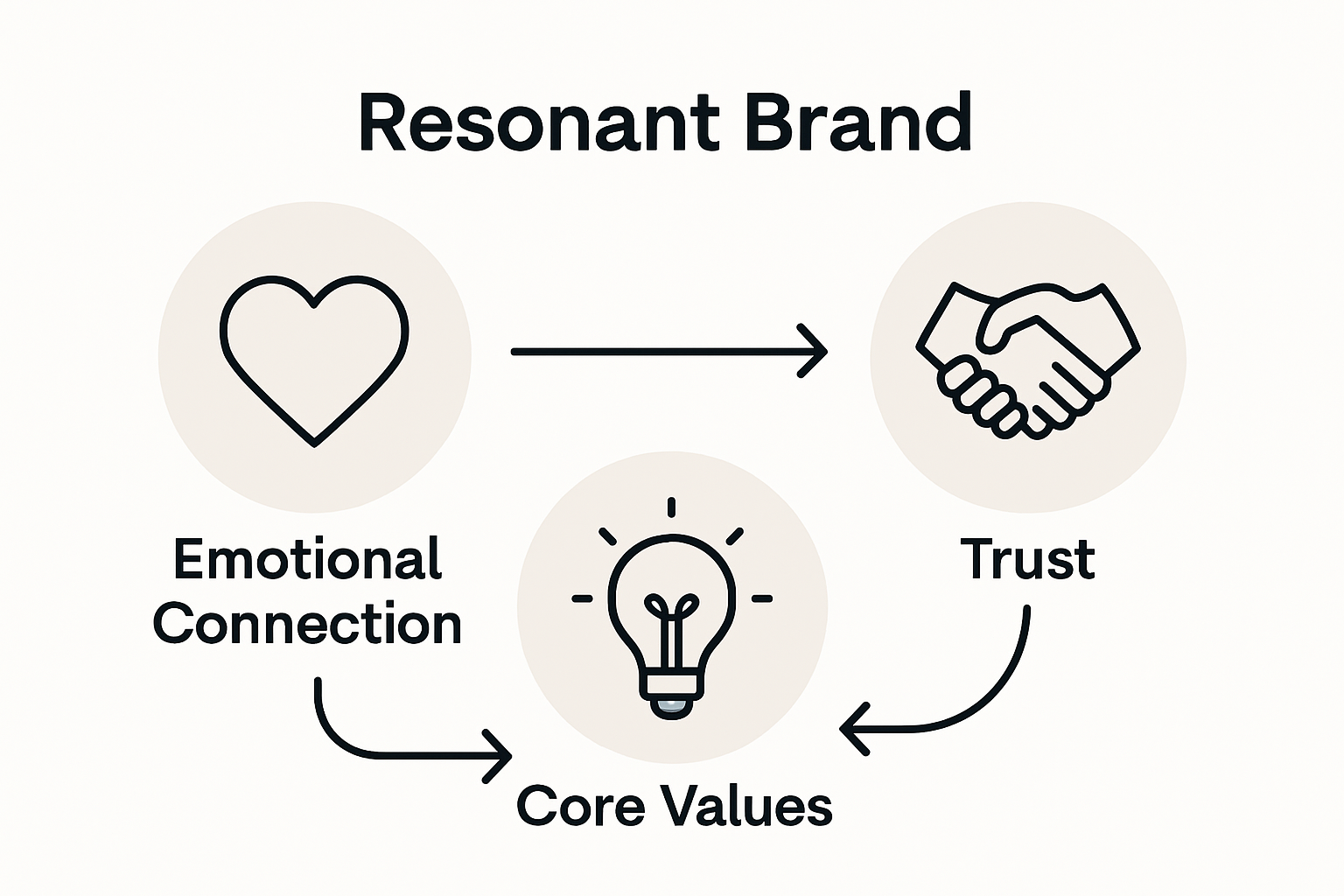
Marketing systems are no longer just about tactical campaigns and data points—they are sophisticated ecosystems where brand stories become the connective tissue that transforms disconnected interactions into meaningful customer journeys. Effective marketing systems integrate storytelling as a strategic framework, allowing businesses to create consistent, emotionally resonant experiences across multiple touchpoints and channels.
Marketing systems for entrepreneurs reveal that storytelling is not an add-on but a fundamental architecture that guides how businesses communicate, engage, and build relationships. The most sophisticated marketing systems recognize that every interaction is an opportunity to reinforce the brand’s narrative, turning mundane transactions into compelling chapters of an ongoing story.
Key integration points for brand storytelling within marketing systems include:
Successful implementation means treating brand storytelling not as a one-time marketing tactic, but as a dynamic, living system that evolves with customer interactions. By embedding narrative intelligence into every aspect of marketing infrastructure, businesses can create more than just campaigns—they build immersive experiences that resonate deeply and drive sustainable growth.
Brand storytelling is a powerful strategy, but it can quickly unravel when entrepreneurs fail to understand its nuanced implementation. Many well-intentioned campaigns fall flat because they approach storytelling as a superficial marketing trick rather than a deep, authentic communication method. The most common mistakes stem from a fundamental misunderstanding of what truly connects with audiences on an emotional level.
Founder-led branding strategies reveal that the most damaging pitfalls often emerge from a disconnect between the brand’s narrative and its genuine identity. Entrepreneurs must recognize that audiences can intuitively sense when a story feels manufactured or lacks genuine emotional depth.
Critical pitfalls to avoid in story-led campaigns include:
Successful story-led campaigns require a delicate balance of emotional intelligence, strategic thinking, and genuine connection. By understanding and avoiding these common pitfalls, entrepreneurs can craft narratives that not only capture attention but also build lasting trust and meaningful relationships with their target audience.
If you have been wondering why your brand storytelling efforts are not leading to stronger growth it might be time to rethink your approach. This article highlights common challenges like inauthentic narratives and inconsistent messaging that can weaken emotional connections with your audience. Pain points such as building trust, creating a compelling transformation in your story, and aligning your marketing systems to support your narrative are essential to overcome.
Reasonate Studio understands these struggles and helps entrepreneurs and small businesses harness the true power of their unique stories. Through The Aligned Impact Model™ you gain clarity on your brand foundations including your core values and messaging so that your storytelling becomes authentic and emotionally resonant. We support your marketing system with strategic frameworks that ensure every customer touchpoint reinforces your narrative and builds lasting trust.
Ready to move beyond surface-level campaigns and build a brand that truly connects and grows?

Start crafting your story with intention and strategy. Visit Reasonate Studio today to discover how our approach blends brand identity, storytelling, and growth. Explore insights on why branding matters and learn more about our marketing systems for entrepreneurs to take confident steps toward stronger, sustainable growth.
Brand storytelling involves strategically communicating your business’s purpose, values, and journey in a way that resonates with your audience, transforming abstract concepts into relatable narratives.
Small businesses can create authentic and compelling narratives that connect emotionally with their audience, inspiring trust and loyalty, which ultimately drives business growth.
Core elements include authenticity, emotional connection, conflict and resolution, vulnerability, and a human-centric perspective that focuses on personal experiences rather than just products.
Types of brand stories include origin stories, mission-driven narratives, customer transformation stories, behind-the-scenes insights, and narratives that illustrate challenges and triumphs.