September 1, 2026
Understanding B2C Business to Consumer Dynamics


Brand alignment aligns values, messaging, and experience to business strategy. Learn definitions, types, benefits, and risks for growing companies.

Most American companies underestimate how much misalignment between brand identity and operations can hurt their bottom line. When even established brands struggle, it is clear that true brand alignment means much more than a polished logo or catchy tagline. By exploring why consistent brand principles matter for every American business, you will discover practical insights and proven strategies that help build lasting trust, drive growth, and create a unified sense of purpose inside and outside your organization.
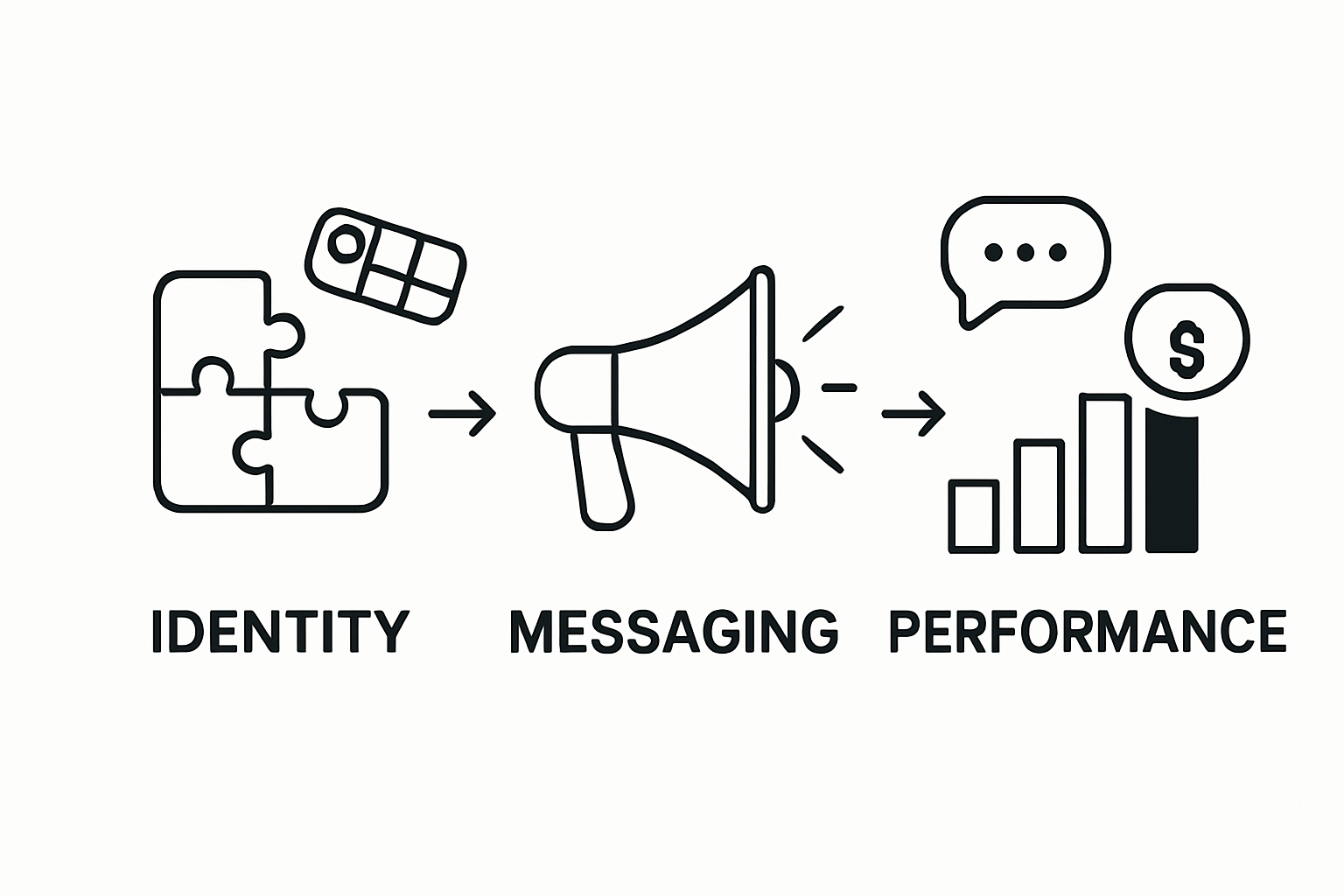
Brand alignment represents the strategic synchronization of a company’s identity, messaging, and performance across all organizational dimensions. At its core, this concept transforms a brand from a mere visual representation into a powerful strategic framework that guides business growth and customer engagement.
The essence of brand alignment goes beyond surface-level marketing tactics. It involves creating a holistic ecosystem where your company’s internal culture, external communication, operational practices, and strategic objectives work together harmoniously. When brand strategy becomes an integrated workflow, businesses can create a compelling narrative that resonates deeply with both employees and customers.
To understand brand alignment practically, consider it through three critical lenses:
Through meticulous brand alignment, organizations can transform their brand from a passive logo into an active driver of business performance. This approach creates a powerful competitive advantage by building trust, fostering customer loyalty, and providing a clear strategic north star for all business activities.

Brand alignment isn’t a one-size-fits-all strategy but a nuanced approach with multiple interconnected dimensions. Organizations can leverage different types of brand positioning to create a comprehensive alignment framework that resonates with their unique business ecosystem.
Strategic Brand Alignment represents the foundational approach where a company’s overall business strategy directly integrates with its brand identity. This method ensures that every strategic decision—from product development to market expansion—reflects and reinforces the brand’s core values and promise. It transforms brand positioning from a marketing exercise into a holistic organizational philosophy.
Three primary brand alignment approaches emerge as critical for business growth:
By adopting a multifaceted approach to brand alignment, businesses can create a powerful, cohesive identity that drives engagement, builds trust, and generates sustainable competitive advantage. The goal is not just communication, but a comprehensive integration of brand principles into every aspect of organizational performance.
Strategic alignment transforms abstract brand concepts into actionable organizational frameworks that drive meaningful business growth. At its core, this approach requires a comprehensive understanding of how different business components interconnect to create a cohesive and powerful brand experience. Strategic branding goes beyond superficial marketing tactics, demanding a holistic approach that integrates vision, operations, and market positioning.
The key elements of strategic alignment can be distilled into five critical dimensions that work synergistically to create a robust organizational strategy:
Successful strategic alignment requires continuous calibration and a commitment to viewing the brand as a living, dynamic system. By treating brand strategy as an interconnected ecosystem rather than a static document, businesses can create resilient frameworks that evolve with changing market conditions and organizational growth. The ultimate goal is to develop a strategic approach that not only defines the brand but actively propels it forward through intentional, synchronized efforts across all business dimensions.
Brand alignment is a delicate process fraught with potential missteps that can derail even the most well-intentioned strategic efforts. Navigating brand consistency challenges requires a nuanced understanding of the common traps that organizations frequently encounter when attempting to synchronize their brand identity and operational practices.
Misalignment risks emerge from several critical areas that can systematically undermine an organization’s brand strategy:
Successful brand alignment demands continuous vigilance and a commitment to holistic integration. Organizations must view brand strategy as a living, dynamic system that requires regular calibration, open communication, and a willingness to evolve. The most effective approaches recognize that brand alignment is not about perfection, but about creating a resilient, authentic framework that can flex and grow with changing business landscapes.
Brand alignment is not just a strategic exercise but a powerful mechanism for building deep, lasting customer relationships. Understanding why branding matters reveals how consistent, authentic brand experiences directly translate into tangible business growth and customer loyalty.
Customer trust emerges as the critical currency in modern business, generated through predictable and meaningful brand interactions. The connection between brand alignment and customer perception can be understood through three fundamental dynamics:
Successful brands recognize that trust is not a destination but a continuous journey of alignment. By systematically integrating brand principles across every customer touchpoint, organizations transform transactional relationships into meaningful connections. The result is not just increased customer retention, but the development of passionate brand advocates who become powerful ambassadors for the business—driving organic growth through authentic, trust-based relationships.
The article highlights the challenge many entrepreneurs face in achieving true brand alignment—a process that goes beyond inconsistent messaging to embedding brand values deeply across internal culture and strategic operations. If you have struggled with fragmented brand experiences or uncertain marketing direction, focusing on internal, external, and strategic alignment is the key to establishing trust and driving sustainable growth.
At Reasonate Studio, we help business owners transform these pain points into strengths with The Aligned Impact Model™. This proprietary framework uncovers your brand’s core foundations—values, positioning, messaging—and seamlessly integrates them into visibility and execution strategies that match your business goals and audience psychology. If you want to avoid common pitfalls like siloed efforts or superficial branding, discover how our approach blends clarity, strategy, and intentional design to build confidence and measurable results.
Ready to bring harmony to your brand strategy and experience meaningful growth?
Start your transformation with Reasonate Studio today. Learn how our tailored systems and strategic coaching can turn your brand into a powerful business asset. Visit Reasonate Studio and explore our insights on aligned brand strategy workflows and strategic branding advantages to move your brand forward with purpose.
Brand alignment refers to the strategic synchronization of a company’s identity, messaging, and performance across various organizational facets. It ensures that internal culture, external communication, and operational practices work together to create a cohesive brand narrative.
Brand alignment builds customer trust by establishing consistent, reliable experiences across all interactions. When a brand communicates transparently and aligns with customer values, it fosters deeper relationships and enhances customer loyalty.
The key elements of strategic brand alignment include vision clarity, stakeholder engagement, performance metrics, adaptive capability, and cultural integration, all of which work together to create a powerful brand experience.
Businesses can avoid common pitfalls by maintaining consistent messaging, eliminating siloed departmental approaches, embedding brand values into their culture, and treating brand alignment as an ongoing process rather than a one-time effort.