September 1, 2026
Understanding B2C Business to Consumer Dynamics


Understand how brand identity shapes recognition and trust, including its core elements, business impact, common pitfalls, and practical next steps.

Did you know that brands with consistent identity see an average revenue increase of 23 percent? Your brand identity shapes how people see, trust, and remember your business in a crowded world where first impressions matter. Clear, strategic brand choices help you stand out, inspire loyalty, and build real connections that last beyond just a logo or a catchy tagline.
Your brand identity is more than just a logo or color palette—it’s the strategic DNA of your business, representing how you want the world to perceive and remember you. Think of it as your business’s unique personality, carefully crafted to communicate your core values, mission, and distinctive qualities.
At its core, brand identity encompasses multiple interconnected elements that work together to create a cohesive visual and emotional experience. These components include:
Unlike generic marketing materials, a well-developed brand identity tells a deliberate story. It transforms your business from a mere service provider into a memorable, trustworthy entity that potential clients can connect with emotionally. When done strategically, your brand identity becomes a powerful communication tool that differentiates you in a crowded marketplace.
Every successful brand understands that identity isn’t about looking good—it’s about creating meaningful connections. Your visual and verbal choices should reflect your unique position, speaking directly to your ideal customers’ aspirations and challenges. By developing a consistent and authentic brand identity, you’re not just selling a product or service; you’re inviting people into a narrative that resonates with their personal and professional goals.
For entrepreneurs ready to elevate their brand, understanding these nuanced identity components is crucial. Check out our brand strategy guide to dive deeper into creating a compelling, resonant brand narrative that drives meaningful growth.
Every brand identity is a carefully orchestrated symphony of design and communication elements that work together to tell your unique business story. These elements are not just aesthetic choices but strategic tools that communicate your brand’s personality, values, and promise to your target audience.
The core components of brand identity can be categorized into several critical areas:
Here’s a summary comparing the core brand identity components:
| Element Type | Key Components | Strategic Purpose |
|---|---|---|
| Visual Design | Logo Color palette Typography Imagery |
Attract attention Express personality |
| Verbal Communication | Brand voice Messaging tone Storytelling Taglines |
Build connection Clarify message |
| Psychological Signals | Core values Brand personality Emotional positioning |
Inspire trust Create loyalty |
These elements aren’t just decorative—they’re strategic communication tools. Your visual brand language speaks volumes before a single word is read. The shape of your logo, the colors you choose, and the typography you select all send subtle signals about your brand’s character, professionalism, and values. A tech startup might use sleek, minimalist design to signal innovation, while a handcrafted artisan brand might choose warm, organic typography to communicate authenticity.
Successful brands understand that consistency is key. Every touchpoint—from your website to social media, from business cards to product packaging—should reflect a unified brand identity. This consistency builds brand recognition and trust. When potential clients encounter your brand multiple times and see a coherent, intentional presentation, they begin to form a reliable mental image of who you are and what you represent.

Want to dive deeper into crafting a compelling brand narrative? Check out our blog insights on brand strategy to learn how to transform these elements into a powerful, cohesive brand identity that resonates with your ideal clients.
For small businesses operating in a competitive landscape, a strategic brand identity isn’t just a luxury—it’s a critical survival tool. Unlike large corporations with massive marketing budgets, small businesses can leverage a well-crafted brand identity to punch above their weight, creating meaningful connections that transform casual observers into loyal customers.
The strategic benefits of a robust brand identity are profound and multifaceted:
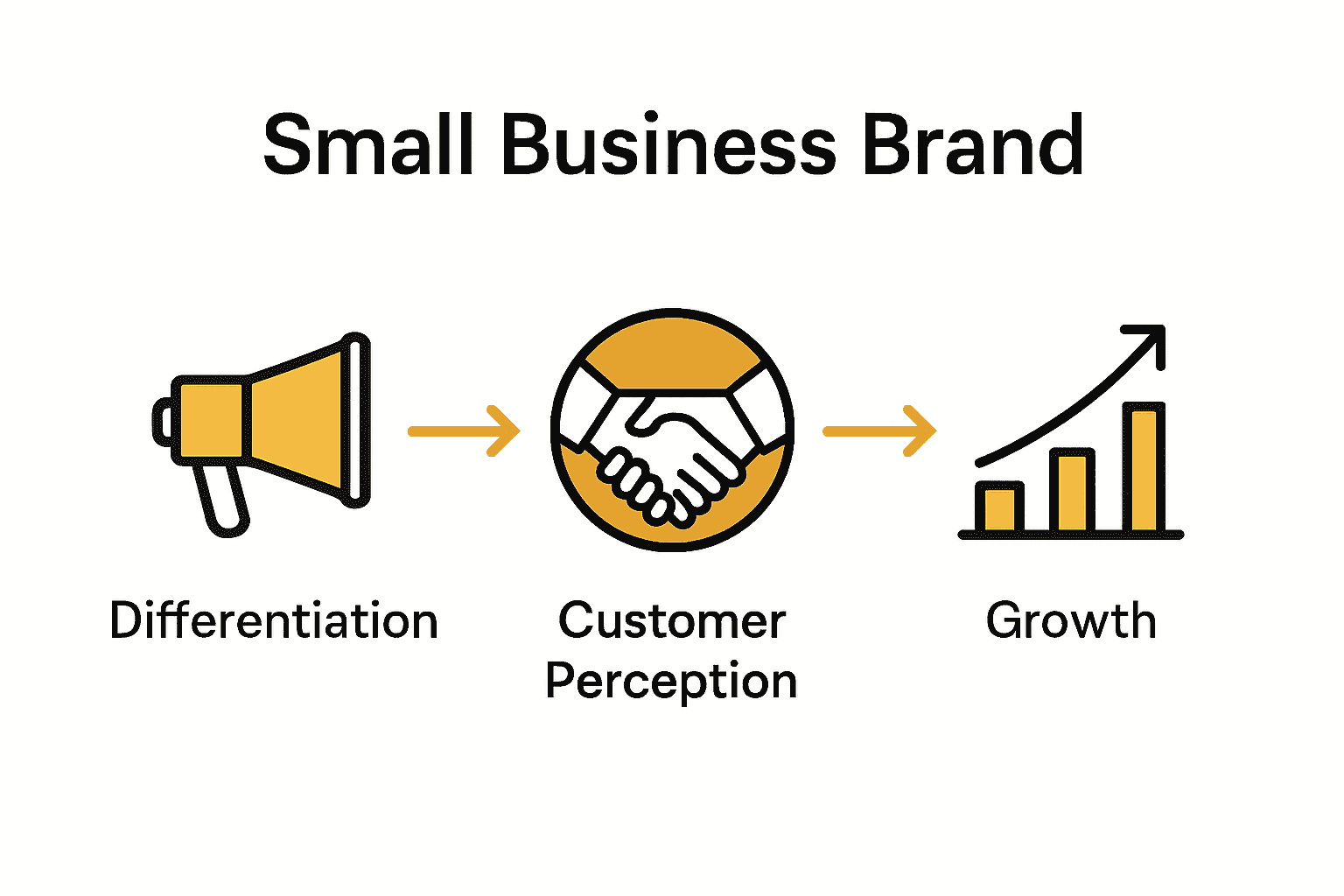
Small businesses that invest in developing a cohesive brand identity gain a significant competitive advantage. Your brand becomes more than a visual representation—it’s a strategic asset that communicates your unique value proposition. By carefully crafting how you present yourself, you’re essentially creating a powerful marketing tool that works continuously, even when you’re not actively promoting your business.
Moreover, a strong brand identity can dramatically reduce marketing costs over time. When your messaging and visual elements are consistent and compelling, you create brand recognition that allows you to acquire customers more efficiently. Potential clients will begin to recognize and trust your brand, which means less effort spent on explaining who you are and more time focusing on delivering exceptional value.
Ready to transform your brand’s potential? Explore our brand strategy resources to unlock strategic insights that can help small businesses create impactful, resonant brand identities that drive meaningful growth.
Building a brand identity is a nuanced journey fraught with potential pitfalls that can derail even the most promising business strategies. Most entrepreneurs unknowingly sabotage their brand’s potential by making critical errors that seem insignificant but can have profound long-term consequences.
The most prevalent brand identity mistakes include:
Many small businesses fall into the trap of mimicking larger competitors or trying to appeal to everyone—a strategy that ultimately renders their brand forgettable. True brand differentiation requires courage: the willingness to clearly define who you are, what you stand for, and why your ideal customers should care. This means developing a unique brand voice that speaks directly to your specific audience, not attempting to please everyone.
The key to avoiding these mistakes lies in strategic, intentional brand development. This involves deep audience research, consistent design guidelines, and a commitment to authenticity. Your brand should be a genuine reflection of your business’s core values, capabilities, and unique perspective. By maintaining visual and messaging consistency across all touchpoints—from your website to social media, from business cards to email signatures—you create a cohesive brand experience that builds trust and recognition.
Want to dive deeper into creating a mistake-proof brand strategy? Check out our comprehensive brand guidelines to help you navigate the complex landscape of brand identity development with confidence and clarity.
Creating a brand identity system is like designing a comprehensive blueprint that transforms your business’s essence into a strategic visual and communication framework. It’s not just about looking good—it’s about creating a deliberate, consistent language that speaks directly to your ideal clients and sets you apart in a crowded marketplace.
A robust brand identity system encompasses several critical components:
The magic of a truly effective brand identity system lies in its ability to create instant recognition and emotional connection. Every design choice—from the curve of your logo to the words you choose—should feel intentional and aligned with your brand’s deeper purpose. Think of it like creating a visual and verbal DNA that represents your business’s unique personality, values, and promise to your customers.
Successful implementation requires more than just creating beautiful assets. It demands a holistic approach that ensures every touchpoint—website, social media, business cards, email signatures—tells a consistent, compelling story. This means developing comprehensive brand guidelines that provide clear, actionable instructions for how your brand should look, sound, and feel across all platforms. When done right, your brand identity system becomes a powerful tool that not only attracts your ideal clients but also builds lasting trust and credibility.
Ready to transform your brand’s potential? Explore our comprehensive brand identity resources to learn how to develop a strategic, cohesive brand system that elevates your business beyond ordinary marketing approaches.
Struggling to move beyond surface-level branding? This guide reveals how a strong brand identity goes deeper than just logos and colors. You want your business to stand out, connect emotionally with your audience, and create trust that fuels growth. Common challenges like inconsistent messaging and lack of authentic connection are holding many small businesses back from reaching their full potential. That is where a strategic, intentional approach becomes essential.
At Reasonate Studio, we understand these pain points and offer a proven solution through The Aligned Impact Model™. This framework uncovers your core brand foundations — values, archetypes, positioning, and messaging — so your marketing efforts align perfectly with your goals and audience psychology. Whether you prefer a hands-on partnership or a done-for-you service, our flexible system ensures clarity, consistency, and measurable results. Ready to stop guessing and start growing? Visit Reasonate Studio to discover how you can build a cohesive brand identity that transforms your side hustle or existing business into a lasting success. Dive deeper into creating your powerful brand narrative by exploring our brand strategy resources and learn practical steps that drive confident marketing decisions.
Brand identity is the unique personality of a business, including its visual elements like logos and color schemes, verbal components such as brand voice and messaging, and psychological signals that convey core values and mission.
A strong brand identity helps small businesses stand out in competitive markets, build trust with customers, and create emotional connections that drive loyalty and business growth.
A cohesive brand identity system includes a strategic foundation (like market positioning and core values), visual design elements (such as color palettes and typography), and a communication framework (covering brand voice and messaging).
Inconsistent brand representation can confuse customers, undermine credibility, and dilute the brand’s overall message, making it harder for customers to recognize and trust the business.