September 1, 2026
Understanding B2C Business to Consumer Dynamics


Learn how to do social marketing with a proven, step-by-step system to attract ideal clients, elevate your brand, and drive real business results.

Most American businesses struggle to stand out in a crowded digital landscape, with nearly 86 percent of brands admitting their messaging feels too generic. In a fast-moving market, taking the time to clarify your brand’s foundations and connect with the right audience can make all the difference. This guide brings a practical approach for American entrepreneurs ready to build a marketing strategy that feels genuine, attracts loyal customers, and delivers results.
Clarifying your brand foundations is the crucial first step in creating a social marketing strategy that drives consistent business growth. This process helps you understand who you are as a business and how you uniquely serve your target audience.
To begin, dig deep into your core values and mission. Ask yourself key questions like what problem you solve, who you serve best, and what makes your approach different from competitors. Consider creating a brand clarity framework that captures your unique positioning. This means identifying your brand personality, core messaging, and the specific emotional experience you want to create for customers.

The key is authenticity. Your brand foundations should reflect your genuine passion and expertise. Research shows that audiences connect more deeply with brands that demonstrate clear purpose and consistent values. Spend time articulating what truly drives your work beyond just making money. Are you solving a specific challenge? Transforming an industry? Helping people achieve something meaningful?
Warning: Avoid generic statements. Your brand foundations must be specific enough that they could only describe your business. Generic language like “we help businesses grow” won’t differentiate you from thousands of other companies. Get granular. Get personal.
Once you solidify these foundations, you’ll have a powerful north star guiding all your social marketing efforts. Your next step will involve translating these core insights into targeted messaging and content strategies that resonate with your ideal audience.
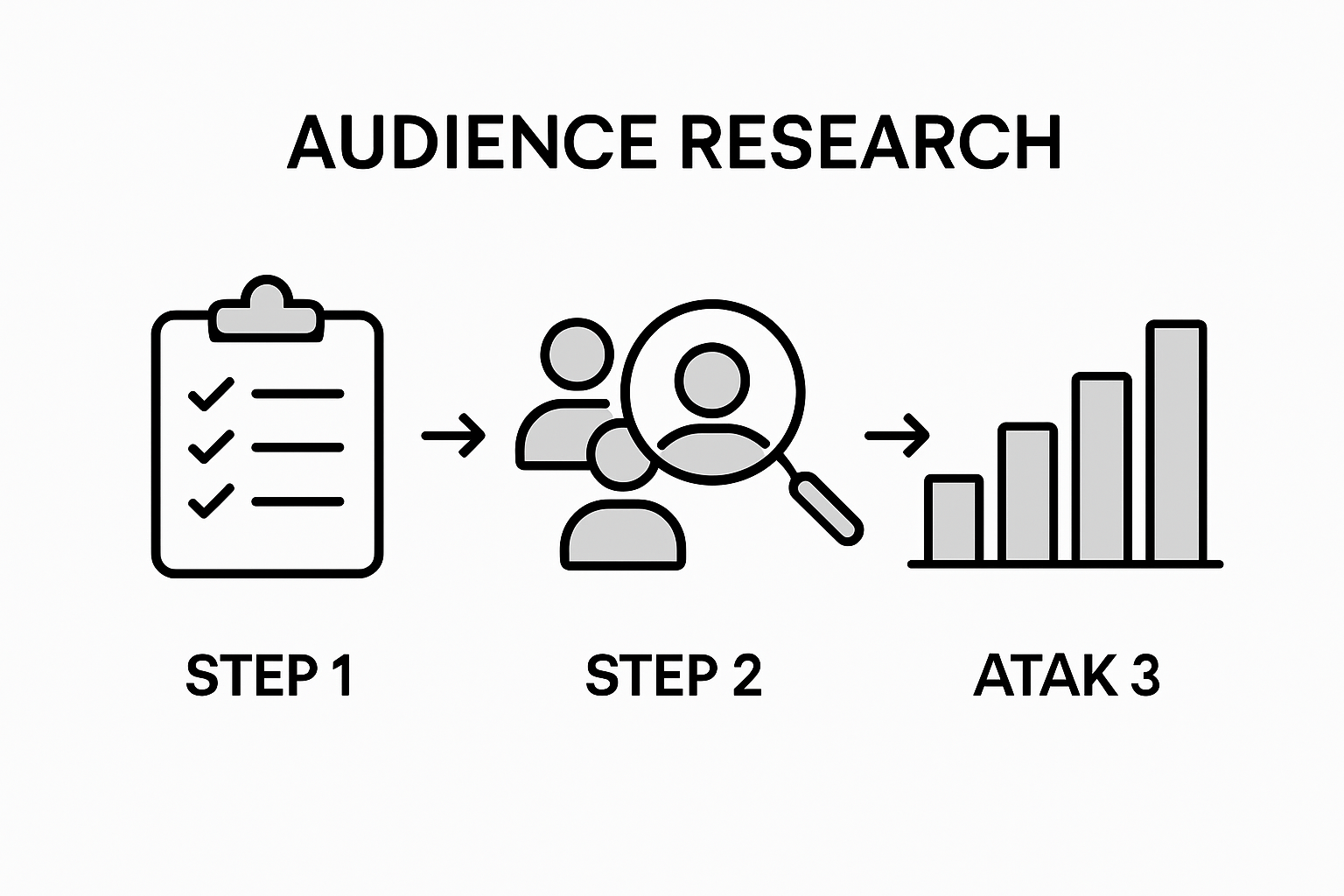
Identifying and researching your target audience is a critical step in developing an effective social marketing strategy that connects authentically with potential customers. This process helps you understand exactly who you are speaking to and how to craft messages that genuinely resonate.
Start by developing a comprehensive audience profile using both demographic and psychographic data. Demographics include basic characteristics like age, location, income level, and profession. Psychographics dive deeper into motivations, values, challenges, and aspirations. Effective social media marketing strategies require understanding not just who your audience is, but what drives their decisions and behaviors.
To gather meaningful insights, use multiple research methods. Conduct surveys, interview existing customers, analyze social media interactions, and review industry reports. Look for patterns in how your ideal customers communicate, what content they engage with, and what problems they are trying to solve. Pay special attention to the language they use, their pain points, and their goals.
Warning: Avoid making assumptions about your target audience. Real research requires going beyond stereotypes and genuinely listening to the people you want to serve. Generic personas won’t help you create compelling marketing that drives engagement.
Once you have a clear understanding of your target audience, you will be ready to develop targeted messaging and content that speaks directly to their needs and desires. The next step involves translating these audience insights into a strategic communication approach that feels personalized and authentic.
Developing a strategic content roadmap transforms your marketing efforts from random posts to a purposeful communication system that consistently attracts and engages your target audience. This crucial step turns your audience research into a tactical plan that drives business growth.
Start by mapping out content pillars that directly align with your audience’s needs and your business goals. These pillars represent key themes and topics that showcase your expertise while addressing your audience’s specific challenges. Developing a content strategy requires creating a balanced mix of content types that educate, inspire, and motivate your potential customers. Consider incorporating educational content, case studies, behind the scenes insights, testimonial highlights, and solution oriented pieces that demonstrate your unique value proposition.
Create a content calendar that breaks down your strategy into actionable monthly and weekly plans. Determine the optimal posting frequency for each platform based on your audience’s engagement patterns and your capacity to create high quality content. Include a mix of content formats like short form videos, carousel posts, written articles, and interactive stories to keep your audience interested and engaged.
Warning: Avoid creating content in a vacuum. Your roadmap must remain flexible and responsive to audience feedback and performance metrics. What works today might not work tomorrow, so build in regular review and adjustment periods.
Your strategic content roadmap is a living document that will continuously evolve as you gain more insights about your audience and market. The next step involves implementing this roadmap and establishing systems to track and measure your social marketing performance.
Executing and optimizing your social campaigns transforms your strategic plan into real world results that drive business growth. This critical stage is where your carefully developed content roadmap comes to life through intentional implementation and continuous refinement.
Begin by launching your campaigns across selected platforms with a systematic approach. Track key performance indicators like engagement rates, reach, click through rates, and conversion metrics. Essential social media tactics require consistent monitoring and willingness to adapt your strategy based on real time data. Pay close attention to which content types resonate most with your audience and the times of day when your posts generate maximum interaction.
Implement an iterative optimization process where you regularly analyze campaign performance. Use platform analytics tools to gain deep insights into audience behavior. Experiment with different content formats, posting times, and messaging approaches. Create A B test scenarios to understand what drives the most meaningful engagement for your specific audience. This data driven approach allows you to continuously refine your social marketing strategy and improve your return on investment.
Warning: Avoid getting stuck in analysis paralysis. While data is crucial, do not let endless metrics prevent you from taking action. Pick 2 3 key performance indicators and focus on improving them consistently.
Your social campaigns are a living ecosystem that requires ongoing attention and adaptation. The final step involves establishing a sustainable feedback loop that keeps your marketing strategy dynamic and responsive to your audiences evolving needs.
Monitoring results and refining your social marketing approach is the critical final stage that transforms data into actionable insights for continuous business growth. This process ensures your marketing efforts remain dynamic, responsive, and aligned with your evolving business objectives.
Establish a comprehensive monitoring framework that goes beyond surface level metrics. Understanding the social media marketing framework requires tracking not just vanity metrics like likes and shares, but deeper indicators of meaningful engagement. Focus on metrics that directly connect to your business goals such as lead generation, conversion rates, audience retention, and quality of interactions. Use analytics tools to create monthly performance dashboards that provide clear visibility into your campaign effectiveness.
Develop a systematic approach to interpreting your data. Schedule quarterly strategy review sessions where you critically analyze your performance metrics. Look for patterns in audience behavior, identify content that generates the most meaningful engagement, and be prepared to pivot your strategy based on these insights. This might mean adjusting your content mix, experimenting with new platforms, or refining your messaging to better resonate with your target audience.
Warning: Avoid making knee jerk reactions to short term fluctuations. Marketing performance requires consistent effort and strategic patience. Look for trends over 3 to 6 month periods rather than making immediate changes based on weekly variations.
Your social marketing strategy is a living system that will continuously evolve. By maintaining a disciplined approach to monitoring and refinement, you create a sustainable framework for consistent business growth and meaningful audience connection.
Struggling to bring clarity and real impact to your social marketing efforts can feel overwhelming. This article highlights key challenges like defining authentic brand foundations, truly understanding your audience, and creating strategic content that drives engagement. Without a clear roadmap, businesses risk wasting time and resources on scattershot campaigns that fail to deliver sustainable results.
At Reasonate Studio, we specialize in transforming these exact pain points into actionable growth strategies. Our proprietary Aligned Impact Model™ goes beyond surface-level marketing to uncover your unique brand essence and align your messaging perfectly with your target audience. Whether you need help defining your brand personality, developing a content roadmap, or optimizing your campaigns for long-term success, our approach blends clarity with creativity in a way that builds both confidence and measurable outcomes.
Ready to stop guessing and start growing with a proven framework designed for entrepreneurs and small businesses? Visit Reasonate Studio today to learn how to turn your social marketing into a consistent engine for business growth. Explore strategic guidance backed by real-world insights and partner with us to make your brand resonate deeply with the customers who matter most.
Clarifying your brand foundations involves defining your core values, mission, and unique approach. Start by asking critical questions about the problems you solve and what differentiates you from competitors. Spend time formulating a brand clarity framework to guide your messaging in social marketing.
To identify your target audience, create a detailed audience profile using demographic and psychographic data. Conduct surveys, interview existing customers, and analyze social media interactions to gather insights. Look for patterns in their communication styles, challenges, and goals to tailor your messaging effectively.
To develop a strategic content roadmap, outline content pillars that align with your audience’s needs and your business goals. Create a content calendar that breaks down your strategy into actionable monthly and weekly plans. Ensure to include diverse content types, such as educational pieces and testimonials, to keep your audience engaged.
Focus on tracking key performance indicators like engagement rates, click-through rates, and conversion metrics. Start by selecting 2-3 indicators that align with your business goals and monitor them regularly. This focused approach allows you to make informed adjustments to optimize your campaigns.
To monitor results, establish a robust framework that measures meaningful engagement rather than just vanity metrics. Utilize analytics tools to create monthly performance dashboards and conduct quarterly reviews to identify trends and areas for improvement. Ensure to avoid impulsive changes based on short-term fluctuations in data.
In your social marketing strategy, include a mix of content types that educate, inspire, and address your audience’s needs. Consider using educational articles, case studies, behind-the-scenes insights, and customer testimonials. This balanced approach will help demonstrate your value and keep your audience engaged.