September 1, 2026
Understanding B2C Business to Consumer Dynamics


Learn how to create a content marketing strategy step by step, from clarifying your brand to measuring results, designed for entrepreneurs and small teams.

Over 60 percent of American businesses admit their content marketing lacks a clear strategy. With competition growing, even small missteps can send messaging off course and miss valuable opportunities. Whether you are starting fresh or refining your approach, learning how to define your brand, reach your ideal audience, and refine your workflow can transform scattered efforts into measurable results.
Defining your brand foundations transforms scattered marketing efforts into a strategic powerhouse. This critical step helps you establish a clear roadmap that connects your business vision with audience expectations, creating meaningful marketing impact.
Start by uncovering your core brand identity through deep self reflection. What drives your business beyond making money? Identify your fundamental values, mission, and unique positioning in the market. How to Develop a Brand Strategy for Business Growth suggests mapping out your brand purpose by asking key questions: What problems do you solve? Who specifically benefits from your services? What makes your approach different from competitors?

Next, articulate your specific marketing goals with precision. Transform broad aspirations into concrete, measurable objectives. Instead of vague statements like “grow my business,” define specific targets such as “acquire 50 new coaching clients within six months” or “increase website conversion rates by 25 percent.” These targeted goals will guide your content strategy, ensuring every piece of content serves a strategic purpose.
Pro Tip: Create a one-page brand strategy document that distills your core identity, target audience, and primary marketing objectives. Revisit and refine this document quarterly to maintain alignment with your business evolution.
Understanding your target audience is the foundation of an effective content marketing strategy. This step transforms generic marketing efforts into precision targeted communication that resonates deeply with potential customers.
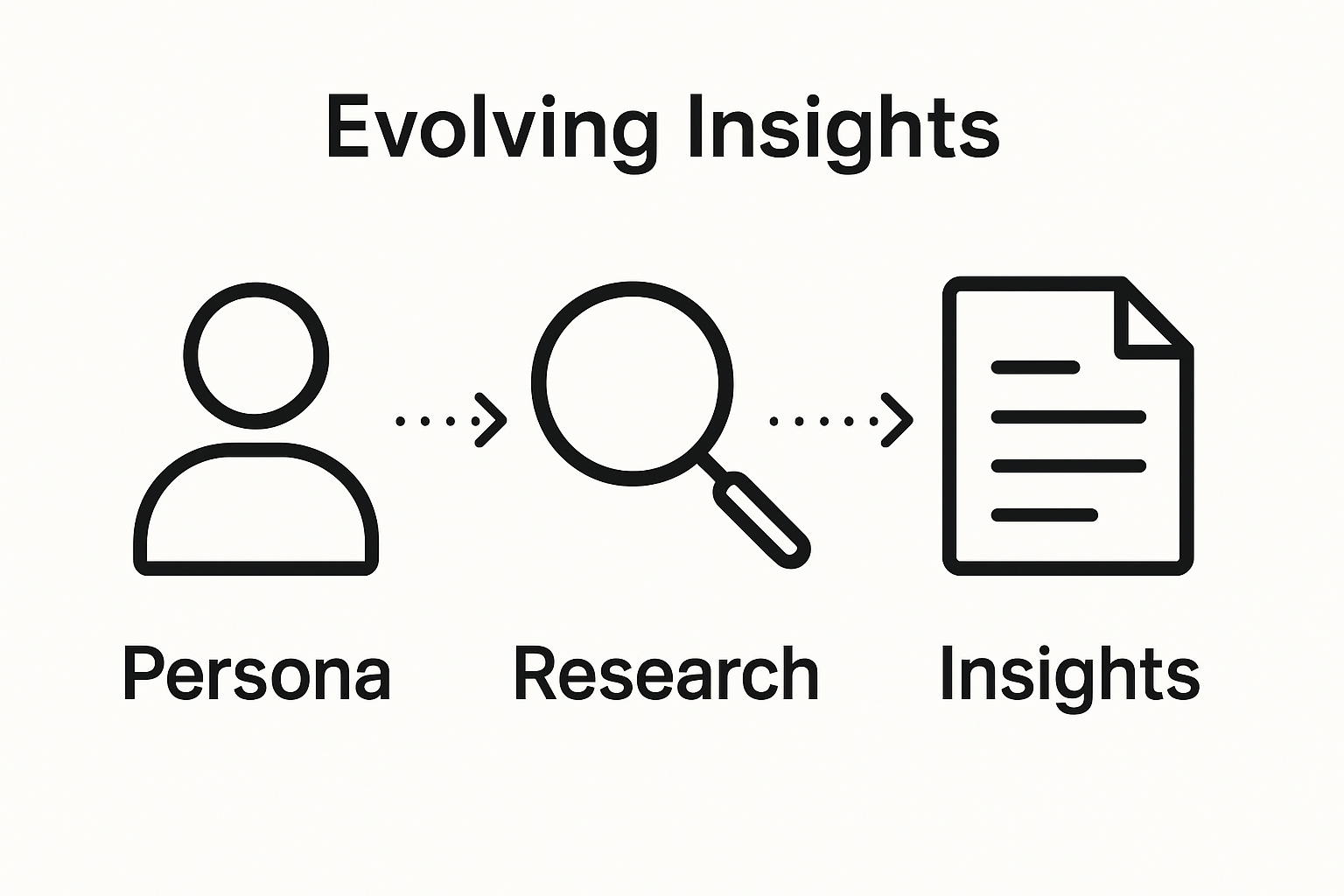
Begin by developing comprehensive audience personas that go beyond basic demographics. 7 Essential Content Marketing Ideas for Growth recommends creating multidimensional profiles that capture not just age and location, but psychological motivations, professional challenges, and aspirational goals. Conduct interviews, surveys, and analyze existing customer data to uncover nuanced insights about their needs, pain points, and communication preferences.
Next, map out your audience’s content consumption journey. Where do they seek information? What platforms do they trust? What type of content formats engage them most effectively? This research helps you craft targeted content that speaks directly to their specific interests and challenges. Track metrics like engagement rates, time spent on content, and conversion paths to continuously refine your understanding.
Pro Tip: Create a living document that tracks audience insights, updating it quarterly with new research and behavioral data to ensure your content strategy remains dynamically aligned with your ideal customer’s evolving needs.
Mapping your content topics and distribution channels transforms your marketing strategy from random attempts to a purposeful, targeted approach. This critical step ensures your content reaches the right audience through the most effective platforms.
How to Build a Content Marketing Strategy for Results suggests starting with a comprehensive content audit that analyzes your existing materials performance. Identify the topics that have generated the most engagement, resonance, and conversion potential. Categorize these topics into core themes that align with your brand foundations and audience needs. Consider creating a content matrix that spans different formats like blog posts, videos, podcasts, and social media content to provide diverse touchpoints for your audience.
Next, strategically select distribution channels based on where your ideal audience actively consumes content. Research platform demographics, engagement rates, and user behaviors to make informed decisions. Some channels might work better for professional services like LinkedIn, while others like Instagram could be ideal for visually driven content. Remember that effective distribution is not about being everywhere but about being strategic and consistent in the right places.
Pro Tip: Develop a content calendar that maps specific topics to distribution channels, ensuring a balanced and intentional approach to content creation and sharing.
For reference, here is a comparison of popular content distribution channels and their typical strengths:
| Channel | Audience Type | Content Formats | Unique Advantage |
|---|---|---|---|
| B2B professionals | Articles, Updates, Videos | Strong for networking and thought leadership | |
| Visual consumers | Images, Reels, Stories | Excellent for brand visuals and engagement | |
| YouTube | Broad demographics | Videos, Tutorials | Effective for detailed explanations |
| Company Blog | Existing & potential clients | Blog posts, Guides | Controls narrative, boosts SEO |
| Podcast Platforms | Audio audience | Podcasts, Interviews | Great for in-depth storytelling |
Creating a sustainable content workflow transforms your marketing efforts from sporadic bursts of creativity to a consistent, predictable system that generates high quality content without burning you out. This step is about building a repeatable process that aligns your creative energy with strategic business goals.
Streamline Your Content Marketing Workflow for Growth recommends implementing a structured content production system that breaks down complex tasks into manageable stages. Start by defining clear roles and responsibilities within your content creation process. Determine who will handle research, writing, editing, design, and distribution. Consider using project management tools that enable collaborative tracking and accountability, ensuring each piece of content moves smoothly through ideation, creation, review, and publication.
Establish realistic content creation timelines that balance quality with consistency. Create templates for different content types that standardize your approach while leaving room for creativity. Build in buffer time for unexpected revisions and incorporate regular review cycles to assess content performance and refine your workflow. Remember that a sustainable workflow is not about producing maximum content, but about creating meaningful, high impact materials that truly serve your audience.
Pro Tip: Develop a content creation checklist that outlines each step of your workflow, including key quality checkpoints and approval processes, to maintain consistency and reduce creative friction.
Tracking content performance transforms your marketing from guesswork to data driven decision making. This step empowers you to understand what truly resonates with your audience and continuously improve your content strategy.
10 Essential Tips for Your Content Marketing Checklist suggests establishing a comprehensive measurement framework that goes beyond surface level metrics. Identify key performance indicators that align with your business goals such as engagement rates, conversion percentages, audience retention, and lead quality. Utilize analytics tools to track these metrics across different platforms and content types. Pay special attention to not just quantitative data like views and clicks, but qualitative insights like audience comments, sentiment, and depth of interaction.
Develop a systematic approach to reviewing and adapting your content strategy. Schedule quarterly content audits where you analyze performance trends, identify top performing content themes, and understand audience behavior patterns. Look for unexpected insights that challenge your initial assumptions. Are certain topics generating more engagement than anticipated? Are specific content formats driving more meaningful interactions? Use these discoveries to continually refine your content approach, reallocating resources towards strategies that demonstrate real impact.
Pro Tip: Create a performance tracking dashboard that visualizes your key metrics, making it easy to spot trends and make swift strategic adjustments.
Here is a summary of the five key steps for building an effective content marketing strategy:
| Step | Core Focus | Key Action | Strategic Benefit |
|---|---|---|---|
| Define Brand Foundations | Clarify mission and values | Map brand purpose and goals | Aligns all marketing efforts |
| Research Ideal Audience | Deep audience understanding | Create detailed personas | Improves message resonance |
| Map Topics & Channels | Align content and platforms | Audit topics, select channels | Reaches target audience efficiently |
| Content Creation Workflow | Systematize production | Assign roles, use templates | Delivers consistent, quality content |
| Track & Refine Strategy | Continuous improvement | Measure, audit, adapt content | Maximizes ongoing marketing impact |
Struggling to turn your brand vision into a clear and effective marketing strategy? The article highlights key challenges such as defining brand foundations, understanding your ideal audience, and creating a sustainable workflow that many entrepreneurs face. If you want to stop feeling overwhelmed by scattered marketing efforts and start deploying a focused system that aligns your goals with your customer’s needs, you are not alone.
At Reasonate Studio, we understand the emotional weight behind these challenges. That is why we developed The Aligned Impact Model™ specifically for entrepreneurs and small businesses aiming to scale with clarity and intention. Our approach is about building a strong brand identity, mapping your content strategically, and consistently measuring performance to refine your marketing impact. This is perfect for anyone ready to move beyond quick wins and build sustainable growth through smart, strategic marketing.

Take the first step toward transforming your marketing from guesswork to confidence today. Explore how Reasonate Studio’s unique blend of strategy, creativity, and operational discipline can help you build an impactful content marketing strategy that lasts. Visit us at Reasonate Studio to learn more or connect directly to start creating your brand’s aligned marketing plan now. Discover how clarity and strategy can unlock your brand’s full potential.
To create an impactful content marketing strategy, start by defining your brand foundations and goals. Identify your core values, mission, and specific marketing objectives, like acquiring a certain number of clients within a set timeframe.
Understand your target audience by developing detailed personas that include their motivations, challenges, and content preferences. Conduct surveys or interviews to gather insights and refine these personas every few months to keep them current.
Consider a variety of content formats such as blog posts, videos, podcasts, and social media content to engage your audience effectively. Create a content matrix that aligns these formats with your audience’s preferences and your brand’s core themes.
Build a structured content production system by defining roles for each team member involved in the process. Break down tasks into manageable stages and set realistic timelines to ensure consistent delivery of quality content without overburdening your team.
Focus on key performance indicators such as engagement rates, conversion percentages, and audience retention. Set up a measurement framework to regularly track these metrics and allocate resources toward strategies that demonstrate the most impact.
Aim to review and adapt your content marketing strategy quarterly. Conduct content audits to analyze performance trends and incorporate new audience insights for continual improvement.