September 1, 2026
Understanding B2C Business to Consumer Dynamics


Business to consumer B2C marketing demystified—foundations, campaign types, audience psychology, and essential pitfalls for sustainable growth.

Over 80 percent of American consumers admit that emotional connection drives their purchasing choices more than logic. B2C marketing is about reaching people on a personal level, not just pushing products. Whether you are part of a global brand or a local startup, understanding these B2C principles will help you spark loyalty, build trust, and stand out in a crowded marketplace.
Business to Consumer (B2C) marketing represents a strategic approach focused on connecting products and services directly with individual customers, transforming complex business interactions into meaningful personal experiences. Unlike Business to Business (B2B) marketing, B2C strategies prioritize emotional engagement, immediate value perception, and creating direct pathways to purchase.
At its core, B2C marketing operates through several fundamental principles that distinguish it from other marketing approaches. These principles include understanding consumer psychology, crafting compelling narratives, leveraging emotional triggers, and designing seamless purchase experiences. Understanding B2C business dynamics requires recognizing that individual consumers make purchasing decisions through a complex blend of rational assessment and emotional resonance.
Successful B2C marketing strategies typically emphasize several key components. These include:
The fundamental goal of B2C marketing transcends mere transactional interactions. It seeks to create meaningful connections that transform casual consumers into loyal brand advocates, generating sustainable growth through genuine understanding of individual customer motivations and preferences.

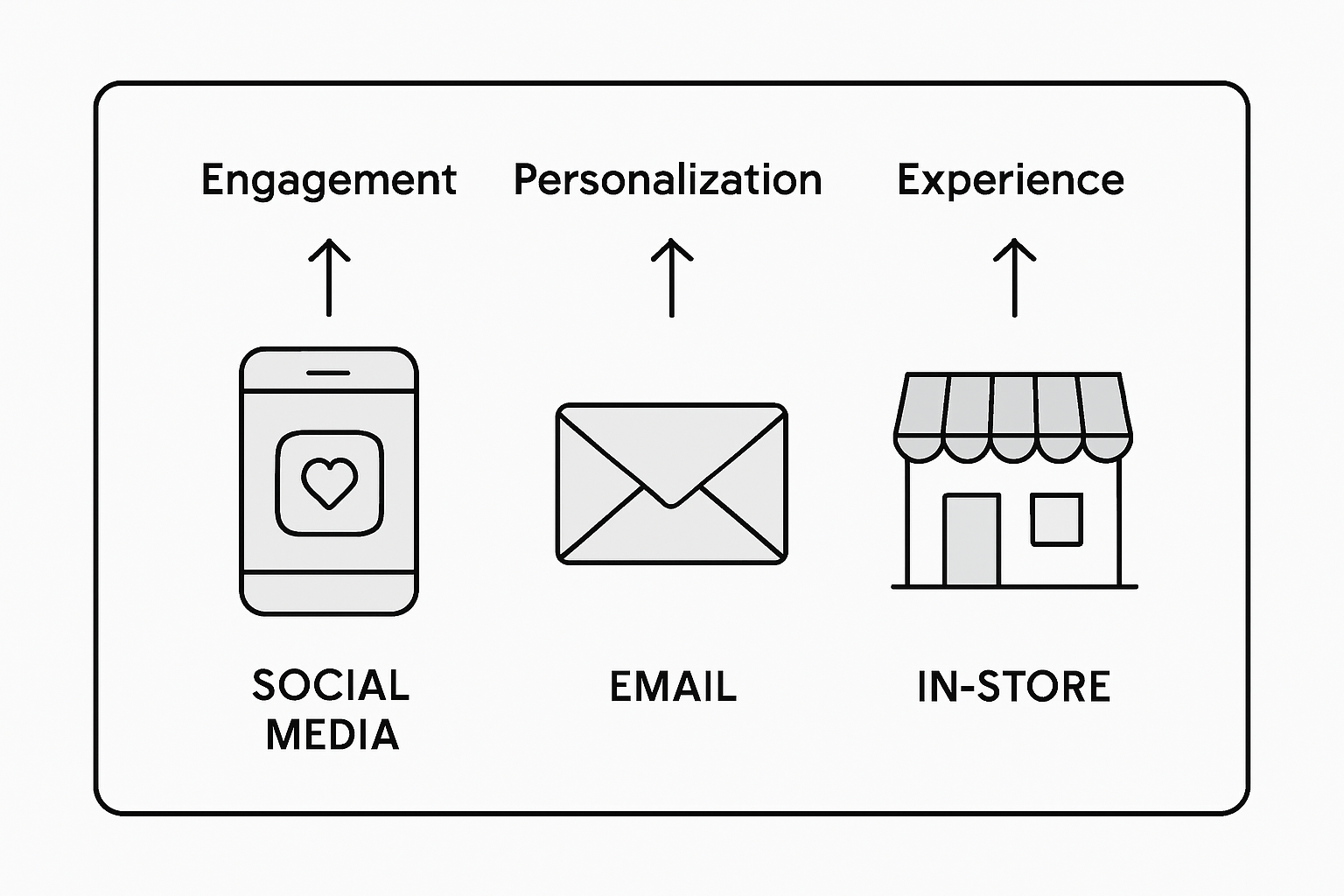
B2C marketing channels have dramatically evolved with digital technology, creating a complex ecosystem of interconnected communication platforms that enable direct and personalized consumer engagement. Modern B2C campaigns leverage multiple channels simultaneously, creating integrated experiences that resonate across different consumer touchpoints. Understanding advertising campaign strategy reveals the intricate ways businesses can strategically connect with their target audiences.
The primary B2C campaign types can be categorized into several strategic approaches:
Each campaign type requires a nuanced understanding of consumer behavior, technological platforms, and targeted messaging. Successful B2C marketers recognize that modern consumers expect personalized, authentic interactions that transcend traditional advertising models. The most effective campaigns create emotional connections, provide genuine value, and demonstrate an understanding of individual consumer needs and preferences.
The digital landscape has fundamentally transformed B2C marketing channels, enabling unprecedented levels of targeting, personalization, and real-time engagement. Advanced data analytics and artificial intelligence now allow businesses to craft highly specific campaigns that speak directly to individual consumer segments, moving beyond broad demographic targeting to create truly individualized marketing experiences.
Consumer decision psychology represents a complex interplay of emotional, rational, and contextual factors that drive purchasing behaviors. Modern businesses recognize that consumer choices are rarely linear or purely logical, but instead emerge from a sophisticated network of psychological triggers, personal experiences, and environmental influences. Understanding what is brand awareness in marketing provides critical insight into how consumers perceive and interact with brands throughout their decision-making journey.
The consumer decision-making process typically involves several interconnected stages:
Psychological factors such as cognitive biases, social proof, and emotional resonance play pivotal roles in shaping consumer decisions. Consumers are not just purchasing products or services; they are fundamentally buying experiences, solutions, and narratives that align with their self-perception and desired lifestyle. Successful marketers understand that effective communication goes beyond features and pricing, instead creating compelling stories that connect with deeper psychological needs and motivations.
Advanced consumer psychology research reveals that decision-making is heavily influenced by subconscious processes, including neurological responses, past experiences, and complex emotional associations. Brands that can tap into these deeper psychological mechanisms—understanding not just what consumers say they want, but what truly motivates their choices—can create more authentic, compelling marketing strategies that transcend traditional transactional approaches.
Brand trust represents the foundational cornerstone of sustainable customer relationships in the modern marketplace. Consumers today are increasingly sophisticated, demanding authentic connections that go far beyond transactional interactions. Why build brand equity reveals the critical strategies businesses can employ to develop meaningful, long-lasting customer connections that transcend traditional marketing approaches.
Effective brand trust and customer loyalty strategies typically involve several key dimensions:
Customer loyalty emerges from a complex interplay of emotional and rational factors. Successful brands recognize that trust is not a single moment, but a continuous process of proving reliability, understanding customer needs, and consistently delivering exceptional experiences. This requires a holistic approach that integrates robust communication strategies, genuine empathy, and a commitment to solving customer challenges.
Advanced loyalty-building techniques go beyond traditional reward programs, focusing instead on creating genuine human connections. By developing deep psychological understanding of their audience, brands can craft narratives and experiences that resonate on a profound level. Ultimately, brand trust is about consistently demonstrating that a company understands, respects, and genuinely cares about its customers’ complete journey, not just their purchasing potential.
Small business marketing demands strategic precision, particularly for teams operating with limited resources and complex challenges. Entrepreneurs often find themselves navigating a complex landscape where a single misstep can significantly impact growth potential. 7 Branding Mistakes to Avoid for Small Business Success highlights the critical errors that can derail even the most promising business initiatives.
The most common mistakes small teams encounter include:
Successful small teams recognize that marketing is not about volume, but about strategic, targeted engagement. They understand the importance of creating robust systems that can adapt and grow, rather than relying on sporadic, uncoordinated efforts. This requires a disciplined approach that balances creativity with methodical execution, ensuring every marketing dollar and hour is invested with intentionality.
Ultimately, avoiding critical mistakes comes down to developing a holistic perspective. Small teams must think beyond immediate tactical wins, focusing instead on building sustainable marketing ecosystems. This means continuously learning, staying agile, maintaining clear communication, and developing frameworks that transform limitations into strategic advantages. The most resilient businesses are those that can turn potential mistakes into opportunities for refinement and growth.
Understanding the complex psychology behind consumer decisions and the need for aligned, emotional brand connections is crucial for scaling your business. If you are a small business owner or entrepreneur struggling with inconsistent messaging, scattered marketing efforts, or the challenge of turning casual consumers into loyal brand advocates the insights from this article highlight why a strategic and sustainable approach matters. Pitfalls like strategic misalignment and ineffective resource management are common and often leave businesses feeling stuck.
Reasonate Studio offers a tailored path to help you overcome these challenges with The Aligned Impact Model™. This model starts with uncovering your brand foundations including values, positioning, and messaging that resonate with your audience’s psychology. We combine this with clear visibility and execution strategies for measurable results without guesswork. Whether you prefer a DIY, DWY, or DFY approach, our system empowers you to build authentic trust and long-lasting loyalty while avoiding costly mistakes. Visit Reasonate Studio today and explore how we help entrepreneurs align brand identity and marketing for real growth. Discover how to avoid branding mistakes and implement advertising campaign strategies that truly connect with consumers.
Take control of your B2C marketing success with clarity and confidence. Start your journey to lasting impact and growth now.
B2C marketing focuses on connecting products and services directly with individual consumers, emphasizing emotional engagement and immediate value perception, while B2B marketing targets business clients and often involves longer sales cycles and complex decision-making processes.
Effective B2C marketing strategies include personalized communication, clear messaging, multi-channel engagement, authentic brand storytelling, and responsive customer experience design.
Consumer decision psychology influences B2C marketing by highlighting the emotional and rational factors that drive purchasing behaviors, prompting marketers to craft messages that resonate with consumers’ needs and motivations beyond mere features and pricing.
Common mistakes in small B2C marketing teams include strategic misalignment, resource management errors, and operational pitfalls such as inconsistent messaging, inefficient budget allocation, and failing to systematize marketing processes.